Are Castle Rock Single Family Rentals Worth It?
April 16, 2026
April 16, 2026
If you are thinking about buying a single-family rental in Castle Rock, you are probably asking the right first question: will the numbers and the long-term story both work? That matters here because Castle Rock offers strong growth, commuter appeal, and higher household incomes, but it is not a market built around cheap entry prices or easy cash flow. If you want to invest with clear eyes, this guide will walk you through demand, supply, rent trends, pricing, and the risks you should underwrite before you buy. Let’s dive in.
Castle Rock has been growing quickly for years. The town’s population reached 83,213 in July 2024, which is up 13.7% since the 2020 Census, according to the U.S. Census Bureau’s Castle Rock quick facts. That kind of growth helps support long-term housing demand.
The local profile also stands out. Castle Rock has 2.78 persons per household, 26.1% of residents are under 18, and the owner-occupied housing rate is 78.8%, based on the same Census data for Castle Rock. For investors, that points to a suburban market where renters may be looking for more living space than a typical apartment can offer.
Income levels are another part of the story. Castle Rock’s median household income is $145,197, and 55.9% of adults hold a bachelor’s degree or higher, according to the Census profile. In practical terms, this is one reason many investors view Castle Rock as a higher-income rental submarket rather than a volume-driven cash flow play.
Location is one of Castle Rock’s biggest strengths. The town sits along the I-25 corridor, about 30 miles south of Denver and 34 miles north of Colorado Springs, as described in the Town of Castle Rock 2026 proposed budget. That gives residents access to a broad regional job base while still living in a suburban setting.
Commute patterns support that idea. The Census quick facts for Castle Rock show an average travel time to work of 28.6 minutes. For a single-family rental investor, that matters because homes with convenient access to commuter routes may stay attractive even when the market becomes more balanced.
In Castle Rock, detached homes remain the core product type. The town’s Development Activity page says Castle Rock has averaged about 780 single-family homes and 150 multifamily units per year over the past 25 years. That tells you the local housing mix has leaned heavily toward single-family development.
Several parts of town also remain under previously approved zoning and are not yet fully built out, based on the same Development Activity information. So while supply is still expanding, the local pattern continues to support single-family homes as a major part of the market.
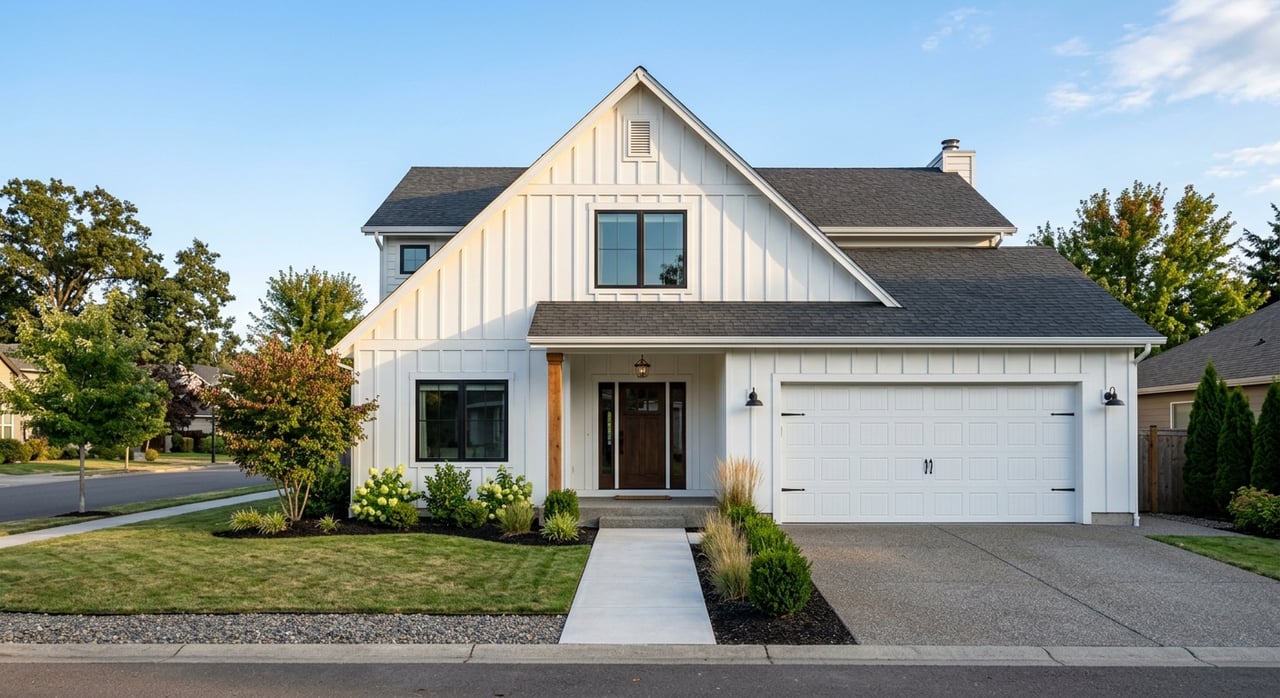
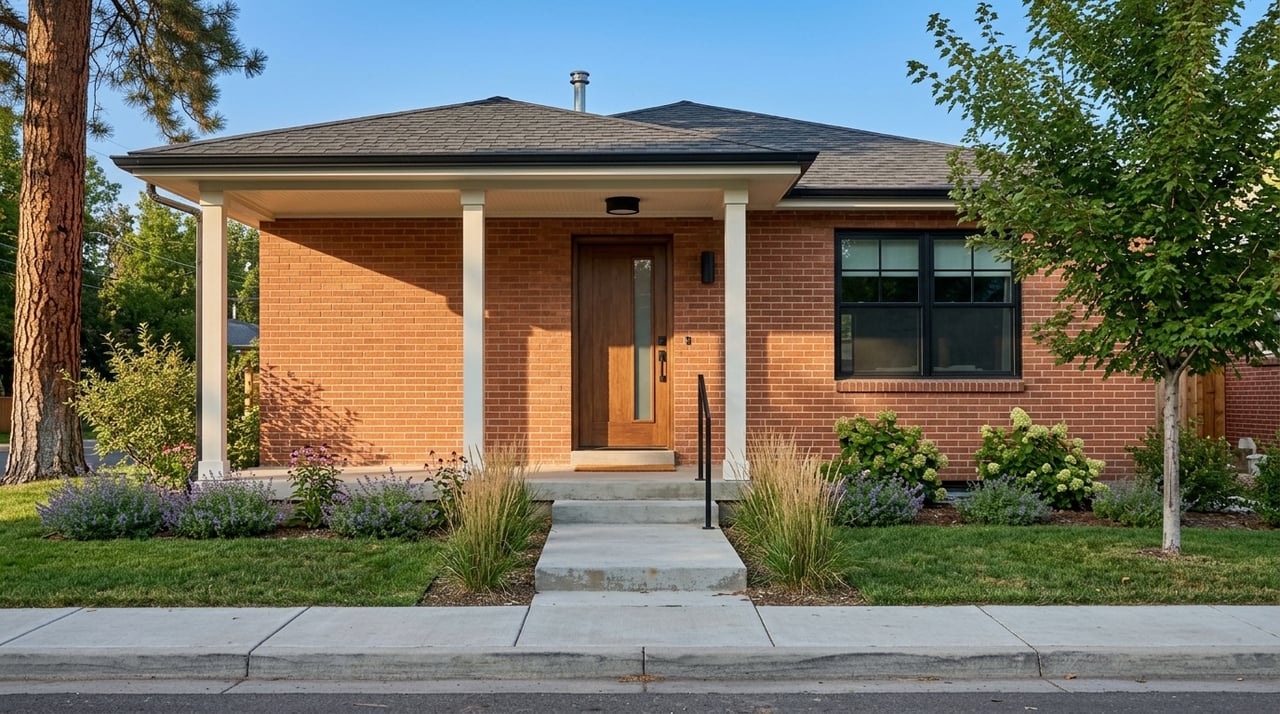
From an investor standpoint, the most marketable homes are often the ones that fit the town’s broader household profile. Based on Castle Rock’s household size and demographic mix, three- and four-bedroom detached homes with garages, usable outdoor space, and practical commuter access may line up well with likely renter demand. That is not a rule, but it is a reasonable takeaway from the town’s data and development pattern.
Castle Rock is not a low-rent market. The U.S. Census Bureau estimates median gross rent at $2,000, while Zillow Rental Manager reported an average rent of $2,800 in March 2026 in the same market. Those figures are calculated differently, but together they suggest a relatively expensive rental environment.
Bedroom-level asking rents also help frame expectations. Trulia’s Castle Rock rent trends showed average asking rents of about $2,900 for 3-bedroom units and $3,400 for 4-bedroom units in March 2026. Those are not pure single-family rental comps, but they do help establish the broader rent band larger homes may be competing in.
That said, it is smart to treat headline rent data as a starting point, not your final underwriting number. Actual performance can vary based on condition, location within Castle Rock, layout, age, HOA structure, and how much competing inventory is available when you list the property.
The clearest hurdle for many investors is purchase price. Zillow placed the average home value at $658,407 as of January 31, 2026, according to its Castle Rock home values page. Redfin also reported a median sale price of $623,000 in February 2026, down 5.6% year over year, and the Town of Castle Rock’s 2026 budget cited an average cost of $867,000 for detached homes in Q4 2024.
Taken together, those figures point to a market where buying a detached rental can require significant capital. That affects everything from down payment size to financing costs to reserve planning. Even before maintenance and turnover costs, Castle Rock usually asks for a higher basis than many investors expect in a suburban rental market.
This is why Castle Rock often works better for investors who are comfortable with moderate yield and a longer ownership horizon. If your strategy depends on immediate high cash flow, you may find the numbers tighter here than in lower-cost markets.
Market tone matters just as much as price. Realtor.com described Castle Rock as a balanced market in January 2026, which suggests more normal negotiation conditions than a highly competitive seller’s market. For investors, that can be helpful when you are trying to buy with discipline rather than chasing a deal at peak pricing.
A balanced market also matters for exit planning. If you intend to hold for several years and eventually resell, a more normalized environment can support steadier expectations. It does not guarantee discounts, but it can create room for more careful acquisition decisions.
Castle Rock’s long-term case is tied closely to growth and infrastructure. The town’s 2026 proposed budget says population has grown 316% since 2000, which is a striking long-run trend. Continued development activity also shows that the town is still expanding rather than standing still.
Infrastructure improvements add another layer. The same town budget document notes that the Crystal Valley interchange is expected to improve safety and mobility and provide a key transportation link from I-25 to southern Castle Rock and Douglas County, with completion expected in 2027. Better access can strengthen the appeal of nearby housing over time.
Still, short-term appreciation should not be assumed. Zillow’s home value index showed Castle Rock down 2.3% over the past year, and Redfin reported year-over-year median sale price declines in early 2026. The takeaway is simple: the long-term story may be solid, but investors should avoid buying based on quick appreciation hopes alone.
Castle Rock can be a sensible market, but it rewards conservative analysis. The first risk is high acquisition cost, which can compress returns if you buy too aggressively. The second is ongoing new supply, since the town continues to build and several areas remain unfinished under approved zoning.
There is also the risk that rent growth may lag ownership costs. If taxes, insurance, HOA dues, maintenance, and financing rise faster than rents, your margins can tighten quickly. In a market like Castle Rock, small underwriting mistakes can have an outsized impact.
The town’s growth pattern adds one more practical issue. If you buy in or near a newer development area, review how local infrastructure timing, buildout activity, and development-related costs could affect your holding period. That is especially important if your plan depends on near-term tenant stability or a specific resale timeline.
Before you buy a single-family rental in Castle Rock, make sure you pressure-test these points:
Castle Rock may make sense for investors who want a suburban single-family hold in a higher-income corridor and are willing to prioritize stability and long-term upside over immediate yield. The area’s population growth, commuter location, and single-family housing profile support that thesis.
It may be a weaker fit if you are targeting the highest possible cash-on-cash return right away. In that case, the entry price and operating costs can make the deal harder to justify unless you buy exceptionally well.
If you want help evaluating acquisition opportunities, rent potential, or resale strategy for an investment property in Castle Rock or the broader Douglas County corridor, David Richins offers local market guidance backed by decades of experience, investor-focused insight, and hands-on transaction support.
Stay up to date on the latest real estate trends.
Trust him for ultra-experienced, high-value real estate service in Englewood and South Metro Denver. With his 30+ years of market leadership, strategic insight, and personal dedication, he makes your buying or selling journey seamless and successful.