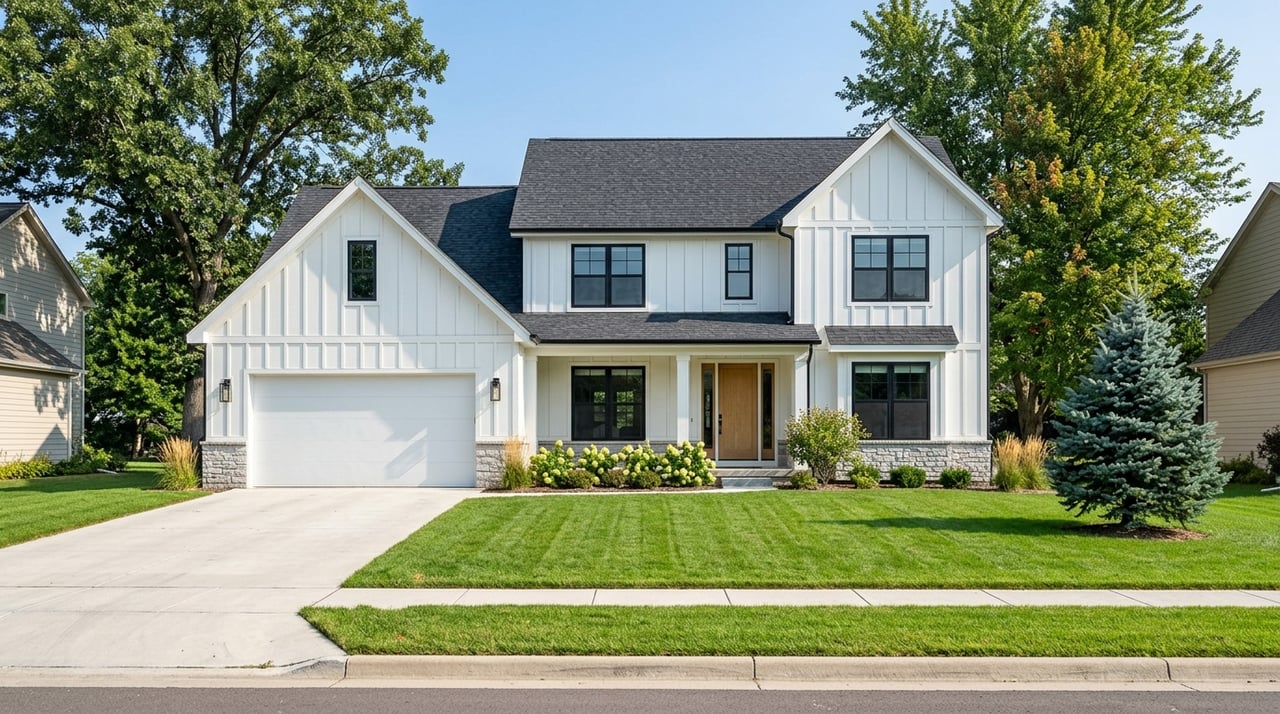
Best Aurora Neighborhoods for Commuters to Denver
June 4, 2026
June 4, 2026
Wondering if you can get more space without giving up a workable Denver commute? That is exactly why so many buyers look at Aurora. The city offers a wide range of neighborhoods, price points, and commute options, but not every part of Aurora lives the same day to day. If you are trying to balance home value, access, and lifestyle, this guide will help you narrow the field. Let’s dive in.
Aurora is not a one-size-fits-all commuter city. It covers more than 165 square miles and includes more than 450 neighborhoods, so your experience can change a lot depending on where you buy. That size is part of the opportunity, but it also means you need to choose your area carefully.
For many Denver workers, the appeal starts with value. Aurora reports a median owner-occupied home value of $469,100, compared with $616,000 in Denver. The city also reports a mean travel time to work of 28.6 minutes, which helps explain why buyers often see Aurora as a practical tradeoff between cost, space, and access.
Aurora also offers variety in how you live. City descriptions range from urban and mixed-use areas to quieter residential sections with more open space. That gives you room to choose a neighborhood that fits your commute pattern and your after-work lifestyle.
Before you focus on specific neighborhoods, think about how you actually travel. If you commute to central Denver on a regular schedule, being near rail may matter more than having a larger lot farther east. If you drive at off-hours or split time between Denver, DIA, and other job centers, highway access may be the better fit.
Aurora’s commute network is built around the I-225 corridor, major interstate connections, E-470, and RTD rail. The city’s transit-oriented development planning focuses on areas within roughly a half-mile, or about a 15-minute walk, from stations. That makes station-area living especially relevant if you want to keep your routine simple.
If you want a location built around access, Aurora Metro Center is one of the most practical places to start. The station sits in the heart of City Center, next to the municipal campus and county offices, and includes 200 commuter parking spaces. Nearby retail also adds everyday convenience.
This area works well for buyers who want a more connected, central feel. You are looking less at a quiet edge-of-town setting and more at a hub that supports daily movement. For some commuters, that tradeoff is exactly the point.
Nine Mile is one of the strongest commuter options in Aurora. The city describes it as one of the metro area’s major transportation nodes, located at Parker Road and I-225, with a 1,225-space garage. That combination makes it especially attractive if you want a park-and-ride option with strong regional connections.
For Denver commuters, Nine Mile stands out because it blends access with a growing mixed-use setting. If your goal is to reduce friction on weekday mornings, this is one of the first places worth exploring. It is often a smart fit for buyers who want flexibility between driving and transit.
Iliff is another practical choice if station access is high on your list. The station is east of I-225 and south of Iliff Avenue, and it includes 600 commuter parking spaces. The area has also seen higher-density housing and ground-floor retail take shape over time.
That makes Iliff appealing if you want a more transit-oriented lifestyle without needing to be in the center of Denver. You may find the balance attractive if your priorities include convenience, newer mixed-use elements, and manageable daily access.
Fitzsimons is a different kind of commuter option. It sits near Peoria and Fitzsimons Parkway, next to the Fitzsimons Innovation Community and Anschutz Medical Campus. The city notes that there is no commuter parking, so this area is more walk- and shuttle-oriented.
If you prefer a setting where being close to the station matters more than driving to it, Fitzsimons deserves a look. It can be especially compelling if your work or lifestyle is tied to nearby employment centers. The key is understanding that this is not the same park-and-ride experience you get at Nine Mile or Iliff.
Peoria is important because of the regional connection it creates. Aurora notes that the R Line links key city destinations and reaches DIA through a transfer at Peoria to the A Line. For commuters who travel across the metro or fly often, that connection can add real convenience.
The bigger takeaway is simple: if rail access is a top priority, station-area neighborhoods around Aurora Metro Center, Nine Mile, Iliff, Fitzsimons, and Peoria should be at the top of your search list. These are the places Aurora has actively planned as transit-oriented zones.
Northwest Aurora is one of the better middle-ground options for Denver commuters. The city describes it as connected to downtown Denver and DIA, while also offering a more urban feel. This part of Aurora is often part of the conversation for buyers who want access without moving too far from activity centers.
It is also an area with a distinct lifestyle mix. City materials reference places like Stanley Marketplace, the Aurora Cultural Arts District, and Anschutz as part of the broader character here. If you want a neighborhood with connectivity and a more active surrounding environment, Northwest Aurora can make sense.
Central West is another strong option if you want flexibility. Aurora describes this area as a place where almost everything is minutes away by car, light rail, biking, or walking. It also sits next to Buckley and many major employers.
For buyers who want a practical blend of transportation choices, this part of the city checks a lot of boxes. You are not choosing only between rail and driving. You are choosing an area where multiple modes may support your daily routine.
If your top goal is getting more home for your money, Southeast Aurora deserves serious attention. The city describes it as quiet, residential, scenic, and value-driven, with trails, nearby retail and restaurants, and access to Quincy and Aurora Reservoirs. That makes it attractive for buyers willing to accept a longer trip in exchange for more space and a different pace.
This is where the Aurora value story becomes clearer. Instead of paying more for a location closer to a rail hub, you may be able to prioritize lot size, neighborhood feel, or outdoor access. For many buyers, that is a worthwhile trade.
South Central and Central East fit a similar profile, but with a slightly different access story. Aurora highlights these areas as more open residential settings with close access to E-470 and DIA. That can be useful if your work patterns are not centered only on downtown Denver.
These areas tend to make the most sense for buyers who drive and want room to spread out. If you want to stretch your budget while staying connected to major corridors, this cluster can be worth exploring.
Aurora’s rail network matters because it connects major activity and employment centers across the metro. The R Line runs 22 miles with 16 stations and 30-minute frequency, with regional connections to the A and E lines. The A Line runs 23 miles with 8 stations and offers 15-minute peak service between Denver Union Station and Denver International Airport.
Those details help frame your decision. If you want the most commute-friendly setup, look closely at how near you are to a station, whether commuter parking is available, and whether your destination lines up with an easy transfer pattern. In Aurora, access is often more important than the neighborhood name alone.
Commute planning should not stop at minutes on the road or rail. Aurora’s broader lifestyle picture matters too, especially if you are making a long-term move. The city highlights 103 parks, more than 5,000 acres of open space and trails, five golf courses, and two reservoirs.
That means your decision can be about more than getting to Denver in the morning. You may also be choosing where you unwind after work, how much outdoor access you want, and whether you prefer a more urban setting or a quieter residential one. For many buyers, that full package is what makes Aurora work.
If you are comparing Aurora neighborhoods as a Denver commuter, keep your shortlist simple:
The most important takeaway is that Aurora should never be treated as one commute profile. A home near Aurora Metro Center, Iliff, or Fitzsimons functions very differently from a home farther southeast near Quincy or Aurora Reservoirs. The right fit depends on how you want to trade off convenience, space, and lifestyle.
If you are weighing Aurora against Denver or trying to pinpoint the right commuter-friendly pocket, having local guidance can save you time and help you focus on the areas that truly match your goals. When you are ready to talk through your move, connect with David Richins for a buyer or seller consultation.
Stay up to date on the latest real estate trends.
Trust him for ultra-experienced, high-value real estate service in Englewood and South Metro Denver. With his 30+ years of market leadership, strategic insight, and personal dedication, he makes your buying or selling journey seamless and successful.