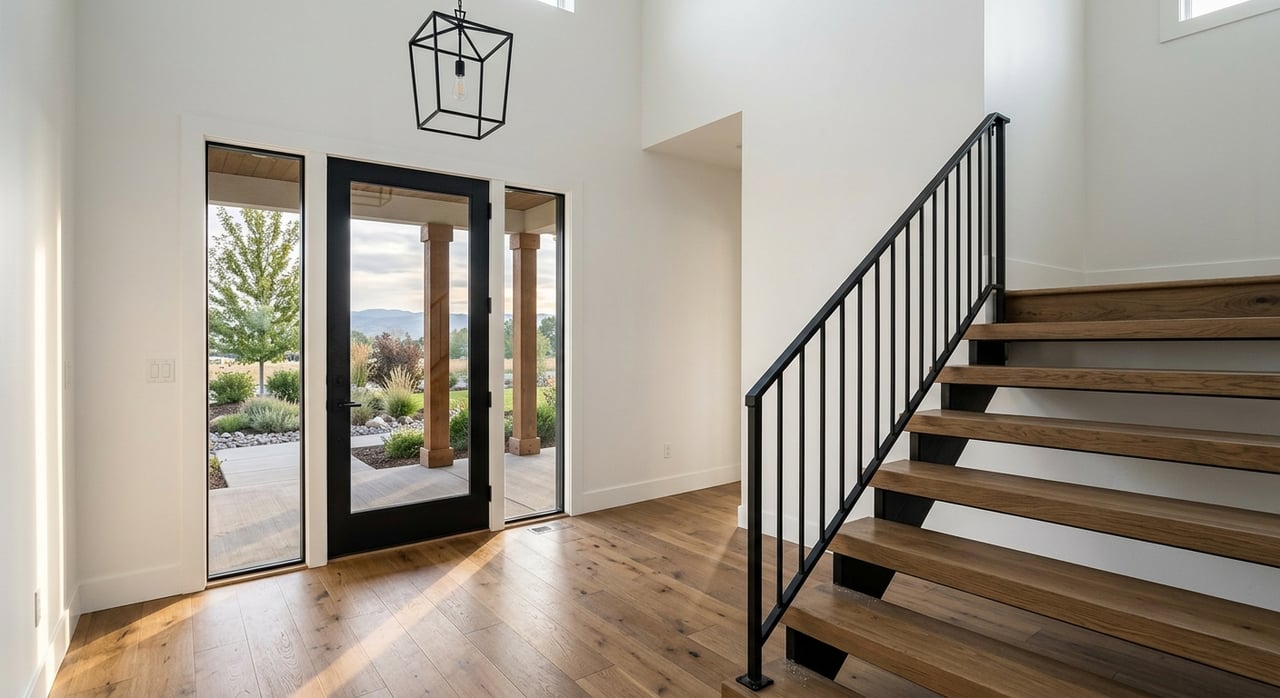
First-Time Homebuying In Parker: Local Tips And Timeline
May 7, 2026
May 7, 2026
Buying your first home in Parker can feel exciting right up until the timeline gets real. One day you are browsing listings, and the next you are hearing about preapproval, inspection deadlines, title review, and closing disclosures. If you want a smoother path, it helps to know how the Parker market moves and what the Colorado contract actually requires. Let’s walk through the local tips and timeline that can help you buy with more confidence.
Parker is still behaving like a relatively competitive suburban market. Recent market data shows a median sale price of about $657,500 to $661,633, with homes going pending or selling in roughly 15 to 19 days. That means you may have a shorter window to make decisions than you would in a slower market.
For you as a first-time buyer, that usually means two things. First, you want your financing lined up before you start touring seriously. Second, you want to understand the next steps before you make an offer, not after one is accepted.
If homes are moving quickly, preapproval is not just a nice extra. It helps you understand your budget and puts you in a better position to act when the right property comes up. In a market like Parker, that preparation can save you time and stress.
Preapproval also helps you focus on homes that fit your monthly payment goals. That matters because the payment is often more important to your day-to-day life than the list price alone.
Before you fall in love with a house, look at the full monthly carrying cost. That includes property taxes, homeowners insurance, and any HOA or metropolitan district costs, not just your mortgage payment.
In Douglas County, property value information and tax billing are handled at the county level, so it makes sense to budget for taxes and escrow early. This is one of the most common first-time buyer mistakes in any higher-priced suburban market. A home can fit your purchase price target but still stretch your monthly budget if the total cost is higher than expected.
In Colorado, the purchase timeline becomes very real at MEC, which means the date both parties have signed the contract. The residential contract states that time is of the essence. Deadlines run in Mountain Time and generally expire at 11:59 p.m. unless the contract sets a specific time.
That matters because once you are under contract, the dates are not casual. You need to track them closely and respond on time.
A lot of first-time buyers expect the process to move in a neat line, one step after another. In practice, the early contract period usually includes disclosures, inspections, title review, loan milestones, and appraisal steps all happening in parallel.
Colorado’s current residential forms build in separate deadlines for those items. So instead of waiting for one task to finish before the next starts, you should expect a busy first stretch after MEC.
Before you submit an offer, focus on a few basics:
This prep work is especially helpful in Parker, where homes can move from active to pending in a little over two weeks.
Once your offer is accepted and you reach MEC, your due diligence period begins. This is when you review the seller’s disclosures, schedule inspections, watch loan deadlines, and start evaluating title documents.
The biggest takeaway is simple: do not assume you have unlimited time. Even if your closing date is weeks away, some of your most important decisions may come early.
Colorado’s standard contract allows you to deliver a written inspection objection by the inspection objection deadline. If you and the seller do not reach a written agreement by the inspection resolution deadline, the contract terminates unless you withdraw the objection before that deadline.
That structure is important for first-time buyers. It means inspections are not just informational. They connect directly to contract rights and decision points.
You should also budget for the cost of inspections, tests, surveys, and reports you request. Under the contract, those costs are generally the buyer’s responsibility.
If you are financing your purchase, the appraisal is another key milestone. Colorado’s contract gives you the right to obtain an appraisal, and if the appraised value comes in below the purchase price, you may have rights to object or terminate within the appraisal deadlines.
Title review also matters. The seller is required to deliver title documents by the record-title deadline, and you can object to title issues or certain off-record matters within the applicable timeframe. This is one more reason the early contract period can feel busy.
As you move toward closing, your lender must deliver the Closing Disclosure at least three business days before closing. This gives you time to compare the final numbers to your earlier loan estimate and ask questions about fees or changes.
Colorado’s contract also gives you the right to walk through the property before closing to verify its condition. This final walkthrough is your chance to confirm the home is in the agreed condition before the transaction is completed.
After closing, documents affecting real property are recorded in Douglas County’s public record. The county currently lists a $43 recording fee per document for standard large-format documents, and the state documentary fee is $0.01 per $100 of consideration when the value is greater than $500.
For you, the main point is that recording is part of the real closing process, not just background paperwork. It is one of the final steps that makes the deed part of the public record.
Colorado’s Seller’s Property Disclosure is based on the seller’s current actual knowledge. It is mandatory-use, can change if new facts are discovered, and clearly states that it is not a warranty or guarantee.
That is why inspections still matter. The disclosure is helpful, but it is not a substitute for having the property evaluated during your due diligence period.
In Parker, many buyers will come across homes that are part of an HOA or located within a metropolitan district. Colorado’s residential contract and seller disclosure forms both treat these items as part of normal due diligence.
If a property is in an HOA, the seller is expected to provide association documents that can include governing documents, meeting minutes, insurance information, and assessment details. For a first-time buyer, this matters because those details can affect your monthly costs and your understanding of how the community operates.
Radon is a real due diligence item in Colorado. The state health department encourages buyers to test for radon during the inspection process, ideally with a licensed radon measurement professional.
If elevated radon is found, the state says mitigation is the best way to reduce levels, and mitigation systems in Colorado usually cost about $1,000 to $2,000 unless the design is difficult. That makes radon testing worth planning for early, especially so you can address it within your inspection timeline.
If the home was built before 1978, federal law requires lead-based paint disclosures before the sale is signed. Buyers must also receive any available reports and be given a 10-day period to conduct a lead paint inspection or risk assessment.
If you are looking at older homes in Parker, this is one more timeline detail to understand before you move forward.
The Parker market does not leave much room for hesitation, but that does not mean you need to feel rushed and unprepared. A strong plan usually comes down to knowing your budget, understanding Colorado’s contract deadlines, and treating due diligence as a serious part of the process.
This is where local guidance can make a big difference. When you know what happens before the offer, after MEC, during inspections, and in the final days before closing, you are far less likely to be surprised by the process.
If you are getting ready to buy your first home in Parker, working with an experienced local broker can help you move quickly without losing sight of the details. To schedule a buyer consultation, connect with David Richins.
Stay up to date on the latest real estate trends.





Trust him for ultra-experienced, high-value real estate service in Englewood and South Metro Denver. With his 30+ years of market leadership, strategic insight, and personal dedication, he makes your buying or selling journey seamless and successful.