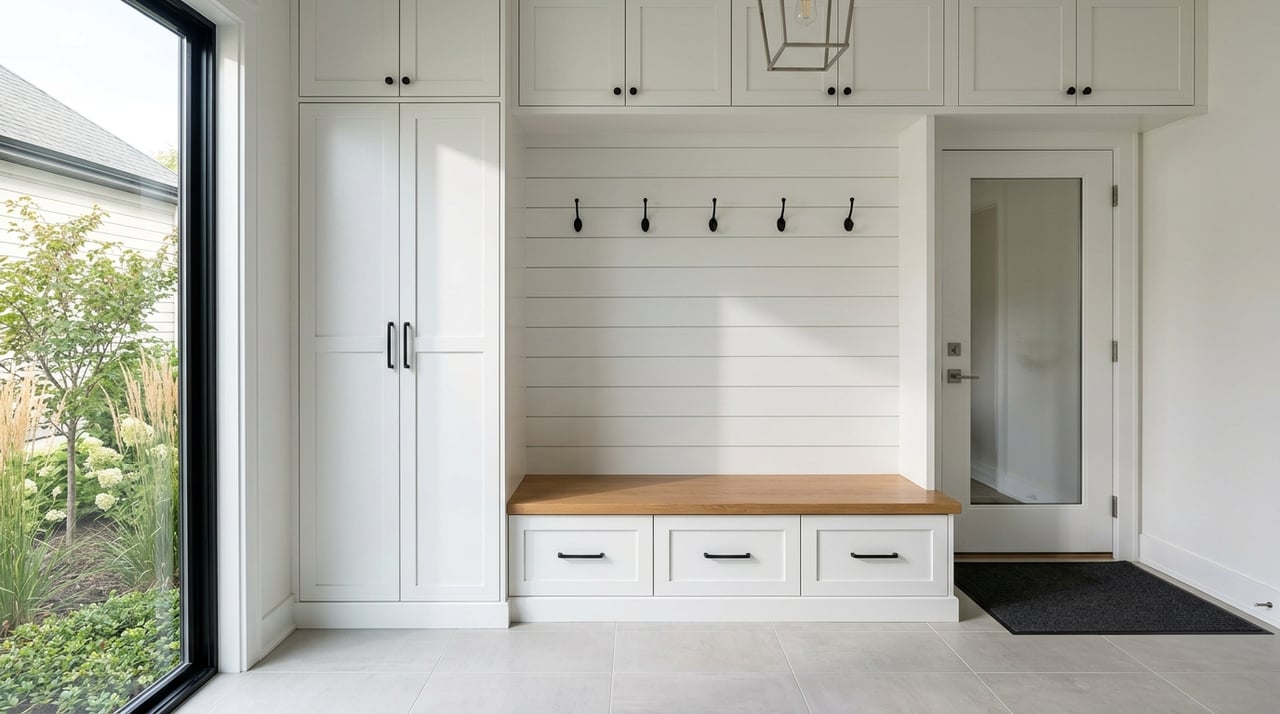
Aurora CO Commute Housing for Denver Metro Professionals
May 14, 2026
May 14, 2026
If your job is in Denver, the Tech Center, or near the airport, Aurora can look like a simple middle ground on a map. In reality, it is a much bigger and more varied city than many buyers expect, with different commute patterns, housing types, and price points depending on where you focus. If you want to balance home style, budget, and daily drive time, this guide will help you think through Aurora with a clearer plan. Let’s dive in.
Aurora is Colorado’s third-largest city and spans more than 165 square miles across Arapahoe, Adams, and Douglas counties. That size matters because Aurora is not one uniform housing market or one single commute story. Where you live in Aurora can change how easily you reach Downtown Denver, Denver Tech Center, or Denver International Airport.
For many professionals, that flexibility is the appeal. Census QuickFacts reports a mean travel time to work of 28.6 minutes in Aurora, which gives you a useful baseline as you compare neighborhoods and routes. The broader takeaway is simple: Aurora gives you multiple ways to commute, not just one.
If you commute to Downtown Denver, northwest and more central parts of Aurora tend to stand out first. The city describes Northwest Aurora as connected to both downtown Denver and DIA, and the broader central road network also helps with cross-metro access.
Rail can play a meaningful role here. RTD says the A Line runs between Union Station and DIA, with a 37-minute end-to-end trip, so areas with practical access to that system can appeal to buyers who want an alternative to driving every day. If your schedule changes often, being in an area with both road access and rail options can give you more flexibility.
If you work in the Denver Tech Center, central and south Aurora deserve a close look. Aurora’s transit information says the R Line connects to the H Line, making it easier to reach DTC or downtown Denver.
RTD says the H Line follows I-25 and I-225 through the southeast corridor and was designed to connect the Denver area’s two largest employment centers. In practical terms, that means buyers who want a more commute-efficient path to DTC often start their search in parts of Aurora closer to the southeast rail corridor and I-225.
If you work near Denver International Airport or travel often, northeast and central east Aurora can make a lot of sense. The city says Northeast Aurora is close to DIA and I-70 and connected to the RTD rail line, while Central East Aurora also has close access to E-470 and DIA.
Road access matters a lot in this commute pattern. The Denver International Airport master plan says Peña Boulevard is the only roadway access to DEN, so buyers often weigh direct road access just as heavily as rail access. Aurora also opened the I-70/Picadilly diverging diamond interchange on February 9, 2026, which the city says improves safety and connectivity in the northeast metro area and to the airport corridor.
Some professionals do not commute to one place every day. You may split time between downtown meetings, airport travel, medical campuses, and other major employers across the region.
For that kind of routine, central Aurora can be especially appealing. The city describes Central West as being at the heart of Aurora, where many destinations are minutes away by car, light rail, biking, or walking, and notes that it sits next to Buckley and other major employers. If you want options instead of a one-route lifestyle, central Aurora offers a practical middle ground.
Aurora’s transit story starts with the RTD rail network. The city says the R Line runs through the heart of Aurora, includes 10 Aurora stations, and connects the A Line and H Line. RTD also notes that the R Line reaches Aurora City Center, Anschutz, and Fitzsimons, with airport access available through a transfer to the A Line.
That matters because rail in Aurora is often less about replacing your car completely and more about giving you a backup or partial alternative. The A Line offers 15-minute peak service between Union Station and DIA, while the H Line serves the southeast corridor along I-25 and I-225. For many buyers, the goal is not a car-free routine. It is having another option when traffic, weather, or work schedules shift.
Aurora also has a forward-looking transit story. The city says East Colfax Bus Rapid Transit is under construction from Union Station to the R Line Colfax Station at I-225 in Aurora. If long-term connectivity matters to you, that is one more reason to pay attention to central and northwest sections of the city.
Even with rail access, driving remains central to daily life in Aurora. The city’s transportation information repeatedly points to I-70, I-225, E-470, and Peña Boulevard as key commute corridors.
Aurora’s 2023 annual report helps explain why. It shows that 83.2% of workers commute by auto, compared with 4.1% by public transit, 1.4% by walking, and 10.8% working remotely. For most professionals, the real question is not whether to choose rail or roads. It is which mix of highway access and transit proximity fits your routine best.
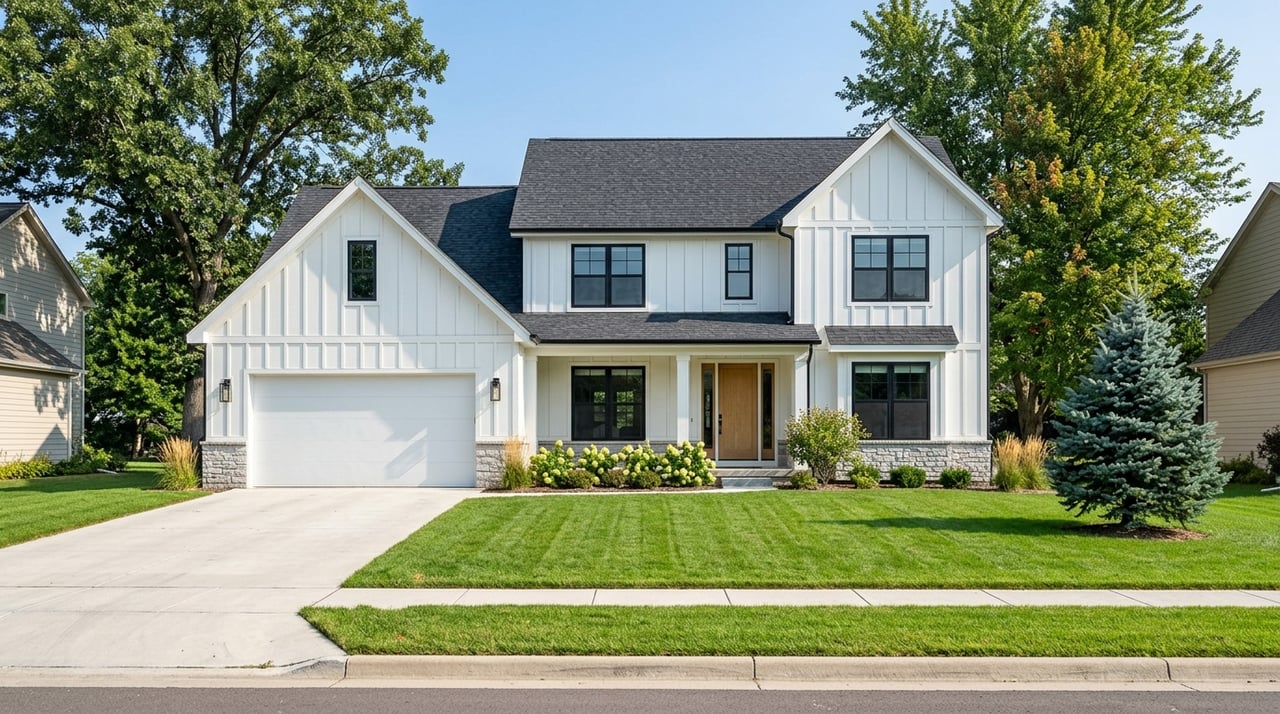
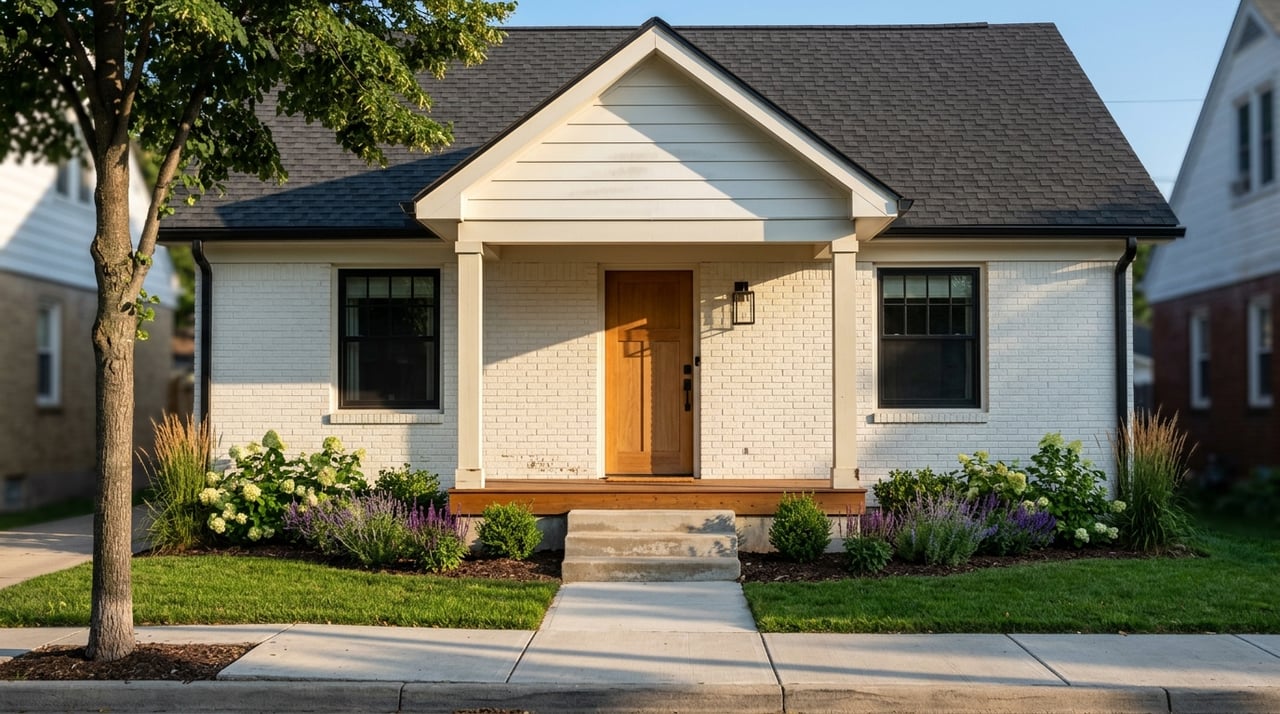
Aurora appeals to a wide range of buyers because the housing stock is broad. According to the city’s 2023 annual report, 52.6% of homes are single-family detached, 11.9% are single-family attached or duplex, 33.8% are multifamily, and 1.7% are mobile or group homes.
That mix creates real choice. If you want a detached home with more space, Aurora offers a large share of that inventory. If you prefer an attached home, condo, or another lower-maintenance option near major corridors, you have those choices too.
Aurora also has a meaningful ownership base. The city reports 62.3% owner-occupied housing, closely aligned with Census QuickFacts at 62.4%. For buyers thinking long term, that can support the idea of Aurora as a city where many households put down roots while still benefiting from metro access.
For budgeting, it helps to start with a few grounded numbers. Census QuickFacts lists the current owner-occupied housing value at $469,100 and median gross rent at $1,835 in Aurora.
Recent market trackers suggest a similar general range, while using different methods and timeframes. Redfin reported a median sale price of $460,000 in March 2026, and Zillow showed $447,283 for February 2026. The smartest way to use those figures is as a rough mid-$400,000s range, not as one exact market-wide price.
One of the biggest Aurora decisions is not just price. It is the tradeoff between newer east or southeast neighborhoods and more central, transit-connected areas.
Newer areas can appeal if you want a more recently built home, newer street layouts, or quicker access to corridors like E-470, I-70, or the airport side of the metro. More central areas may give you stronger access to the R Line, easier ties to the A Line or H Line, and a more flexible commute pattern if your work takes you in different directions.
Neither choice is automatically better. It depends on whether your top priority is newer housing, a shorter drive to a specific destination, or a location that gives you more than one way to move around the region.
If you are comparing Aurora neighborhoods, start with your actual week instead of a broad map search. Think about how many days you drive, whether you need airport access, how often you go downtown, and whether DTC is part of your routine.
Then weigh those commute needs against the type of home you want. A detached home in a newer area may fit your space goals, while a more central location may save time or add flexibility during the workweek. When you look at Aurora this way, your search usually becomes clearer and faster.
Aurora can be a strong fit for Denver metro professionals because it offers more than one answer. You can prioritize highway access, rail connections, home style, or a blended approach depending on your schedule and budget. If you want help comparing Aurora options with the rest of the south metro area, David Richins can help you build a practical plan around your move.
Stay up to date on the latest real estate trends.
Trust him for ultra-experienced, high-value real estate service in Englewood and South Metro Denver. With his 30+ years of market leadership, strategic insight, and personal dedication, he makes your buying or selling journey seamless and successful.