Denver Bungalow, Townhome, Or Condo: How To Choose
May 28, 2026
May 28, 2026
Wondering whether a Denver bungalow, townhome, or condo is the right fit for your next move? You are not alone. Many Denver buyers are balancing budget, maintenance, location, and lifestyle at the same time, and the right choice often comes down to how you want to live day to day. This guide will help you compare the tradeoffs clearly so you can make a smarter decision with more confidence. Let’s dive in.
In the Denver metro market, the gap between detached and attached homes is meaningful. According to March 2026 data tracked by SMDRA across the seven-county metro area, attached homes had a median price of $410,838, while detached homes had a median price of $639,000. That is a difference of about $228,000, or roughly 56%.
The market pace also looks different by property type. Attached homes had 31 median days in MLS and 4.6 months of supply, while detached homes had 13 days in MLS and 2.0 months of supply. For you as a buyer, that can mean more pricing flexibility and more inventory options on attached homes, while detached homes may require faster decisions and a larger budget.
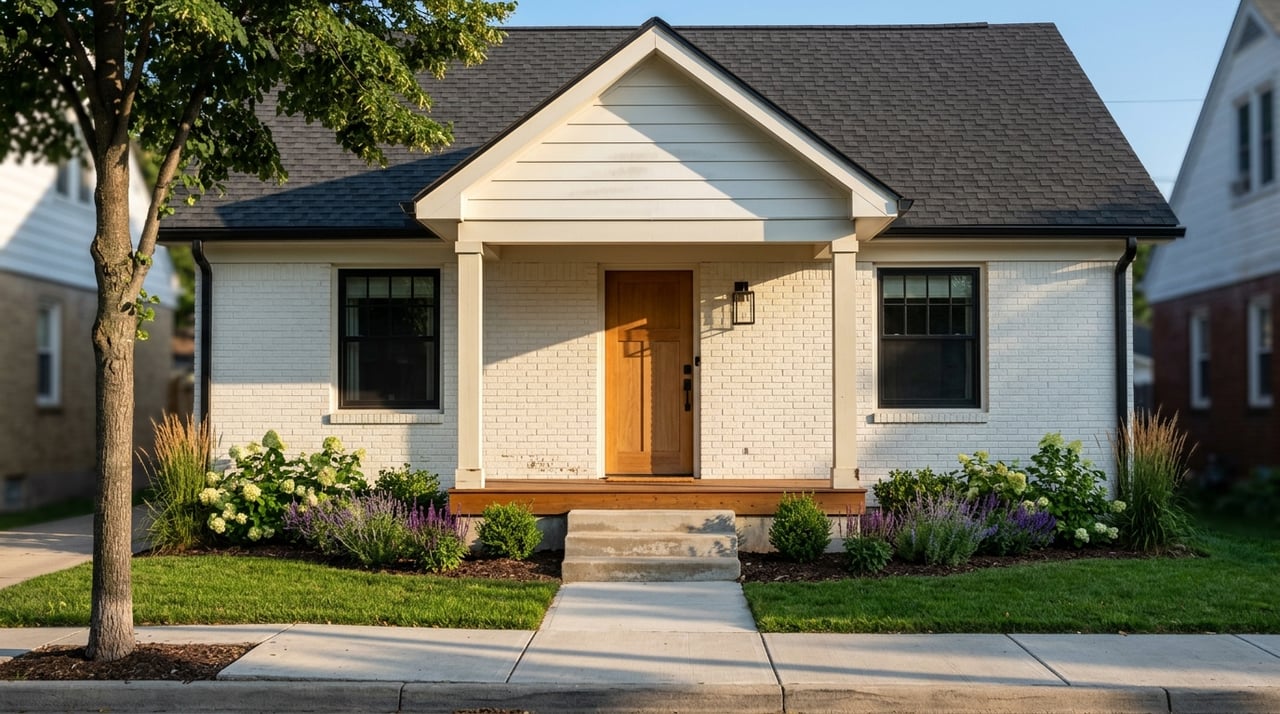
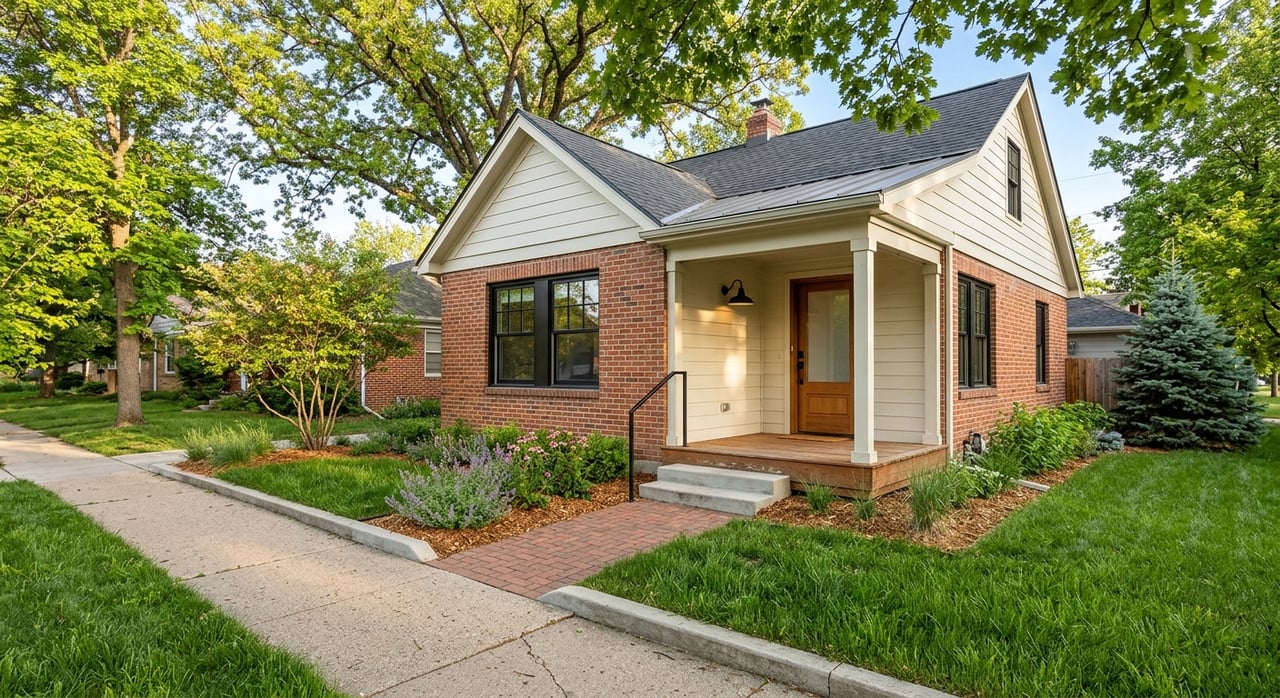
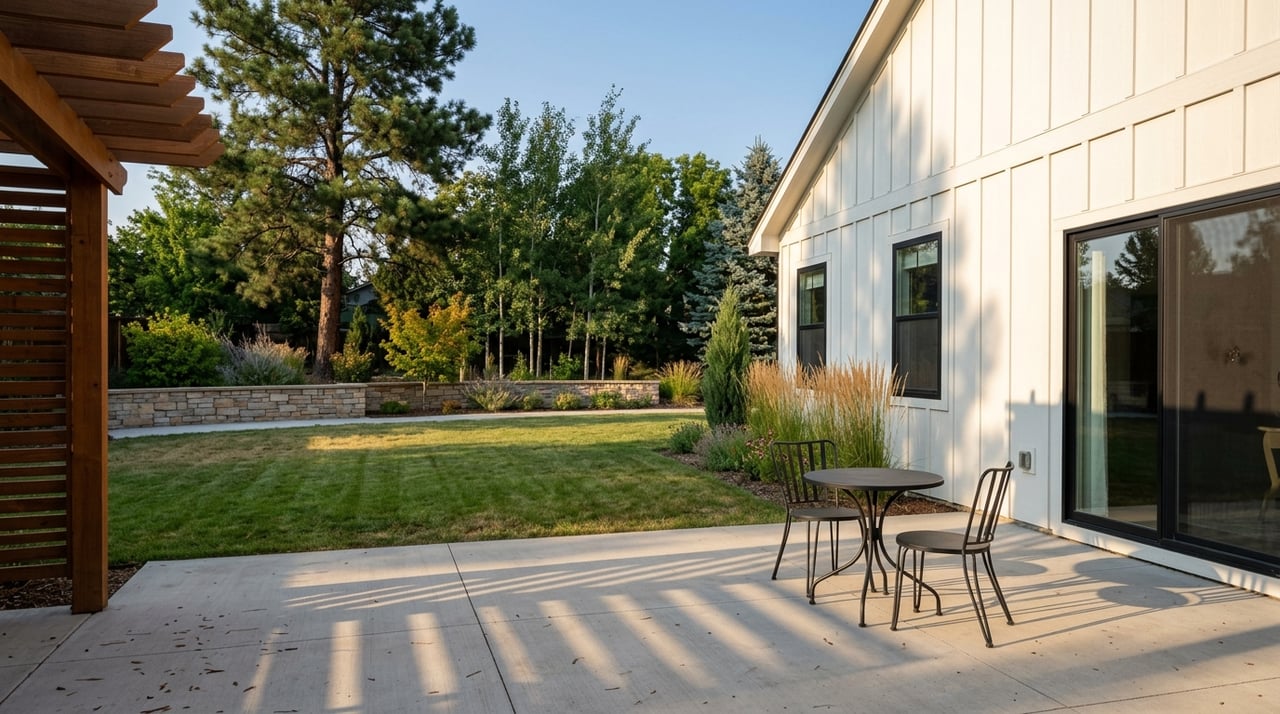
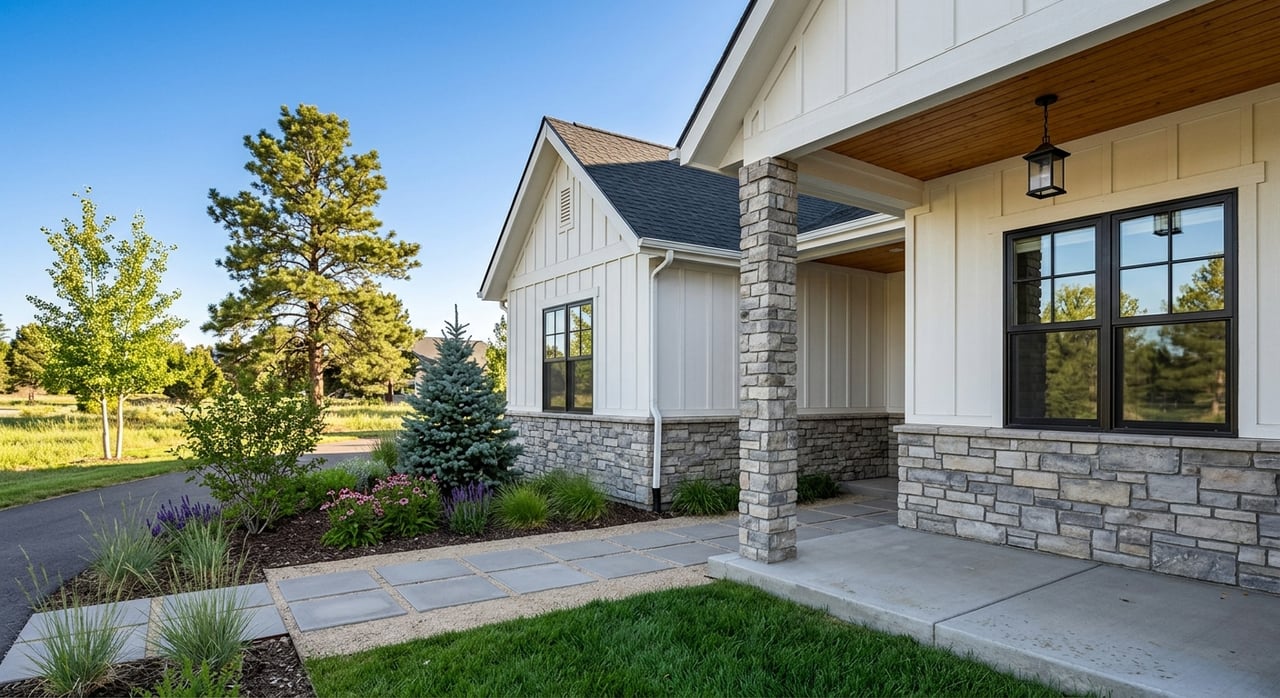
A bungalow in Denver is often a detached older home with character, privacy, and more direct control over the property. Denver planning documents describe bungalows as typically 1 to 1.5 stories, often built with clapboard wood or masonry, with a gently pitched gable roof and a front porch. In practical terms, many buyers associate them with close-in neighborhoods and classic architectural appeal.
That charm usually comes with more responsibility. When you buy a bungalow, you are generally taking on the repairs, updates, and long-term upkeep yourself. That can include the roof, exterior maintenance, yard care, and unexpected repairs.
If the home is in a landmarked or historic district, there may also be review requirements for exterior changes or demolition work. In Denver, that is an important detail to confirm early. A home’s style and location may be a major part of the appeal, but they can also affect what changes you can make.
A bungalow may be the best fit if you want:
If you like character and independence, and you are comfortable budgeting for upkeep, this option may feel the most rewarding.
A townhome is often the middle ground between a condo and a detached house. In Colorado planning language, townhomes are attached homes in a row on individual lots with common walls. For many Denver buyers, that means a more house-like feel with less maintenance than a bungalow.
Townhomes often appeal to buyers who want more room, a garage, and a bit more privacy than a condo offers. At the same time, they usually involve some shared structure or shared governance, which means you need to read the ownership and association documents carefully.
The biggest question is not just whether the listing says “townhome.” It is what you actually own and what the association handles. Roofs, exterior walls, landscaping, snow removal, and even the land itself may be your responsibility, the HOA’s responsibility, or shared in some way.
A townhome may be the best fit if you want:
For many Denver buyers, a townhome is the practical compromise.
A condo is usually the most low-maintenance option of the three. Under Colorado law, a condominium is a common interest community where part of the real estate is owned separately and the rest is owned in common by unit owners. In real life, that usually means you own your unit, while major exterior and shared areas are governed through the association.
For buyers who want a lock-and-leave lifestyle, condos can be appealing. They often offer a lower purchase price than detached homes and can make it easier to buy in central Denver areas where convenience and access matter.
The tradeoff is less direct control. Condo ownership often comes with more rules, more shared decision-making, and closer review of association finances and insurance. If simplicity matters more to you than private outdoor space, a condo can be a strong fit.
A condo may be the best fit if you want:
If your goal is lifestyle simplicity, this option often rises to the top.
Choosing between these property types is not just a budget decision. It is also a daily life decision. The right answer depends on how much time, money, and energy you want to put into the home after closing.
| Property Type | Typical Benefits | Typical Tradeoffs |
|---|---|---|
| Bungalow | Privacy, character, yard, more control | More upkeep, more repair exposure, possible historic review rules |
| Townhome | More space, house-like feel, moderate maintenance | Shared walls, HOA dues, less clarity unless documents are reviewed |
| Condo | Convenience, lower upkeep, often lower price | More association rules, shared governance, less control |
In Denver’s close-in areas, location can strongly shape your decision. City planning emphasizes complete neighborhoods and transportation connections, which helps explain why some buyers gladly trade private yard space for convenience, transit access, and shorter commutes.
One of the biggest mistakes buyers make is comparing only the purchase price. Your monthly and long-term costs can look very different depending on the property type.
With a bungalow, the costs are more straightforward but more directly yours. You are typically responsible for the roof, siding, yard, drainage, exterior repairs, and emergency maintenance. There may be no HOA dues, but there is also no shared reserve fund stepping in when something big breaks.
With condos and townhomes, regular HOA assessments may cover maintenance, landscaping, insurance, legal fees, registration fees, and other operating costs. Special assessments can also be charged for major repairs, replacement of common elements, or reserve contributions. That means a lower purchase price does not always equal a lower total cost.
This is why the monthly HOA number should never be viewed in isolation. You want to know what the dues cover, how well the association is funded, and whether there are signs of future surprise costs.
Insurance is another area where these property types differ in important ways. According to the Colorado Division of Insurance, condo and townhome owners typically need an HO6 policy for personal property, liability, and portions of the unit not covered by the HOA’s master policy.
The association’s master policy usually covers common areas and shared structures like roofs and exterior walls. Still, buyers should review deductible levels, loss-assessment coverage, and exactly what owners are expected to insure on their own. Those details can affect both your risk and your true monthly cost.
Colorado insurance conditions also matter. State insurance officials have noted that wildfire, hail, and broader homeowners insurance pressures can affect HOA master policies, premiums, and deductibles. In practice, that can lead to higher dues or special assessments, especially in attached communities.
If you are trying to make the choice easier, start with your top priorities.
Choose a bungalow if you care most about privacy, yard space, character, and control, and you are comfortable with more maintenance.
Choose a condo if you care most about low upkeep, a lower entry price, and an easy lock-and-leave lifestyle.
Choose a townhome if you want a middle path with more space and privacy than a condo, but less maintenance than a detached home.
In many cases, the right answer is less about the label and more about the fine print. Two townhomes can have very different ownership responsibilities. Two condos can have very different financial health. Two bungalows can have very different repair outlooks depending on age, updates, and whether historic review applies.
Before you move forward on a condo or townhome, ask for and review:
Before you write an offer on a bungalow in a historic area, confirm whether exterior changes may trigger Denver landmark review or historic-district requirements.
These details often matter more than the marketing language in the listing. A home that looks like the perfect fit online may feel very different once you understand the real maintenance burden, insurance setup, or association rules.
The good news is that when you compare these factors early, you can avoid surprises and choose a property type that fits your budget and your daily life. If you want experienced guidance as you compare homes in Denver, David Richins can help you weigh the tradeoffs, review the practical details, and move forward with confidence.
Stay up to date on the latest real estate trends.
Trust him for ultra-experienced, high-value real estate service in Englewood and South Metro Denver. With his 30+ years of market leadership, strategic insight, and personal dedication, he makes your buying or selling journey seamless and successful.