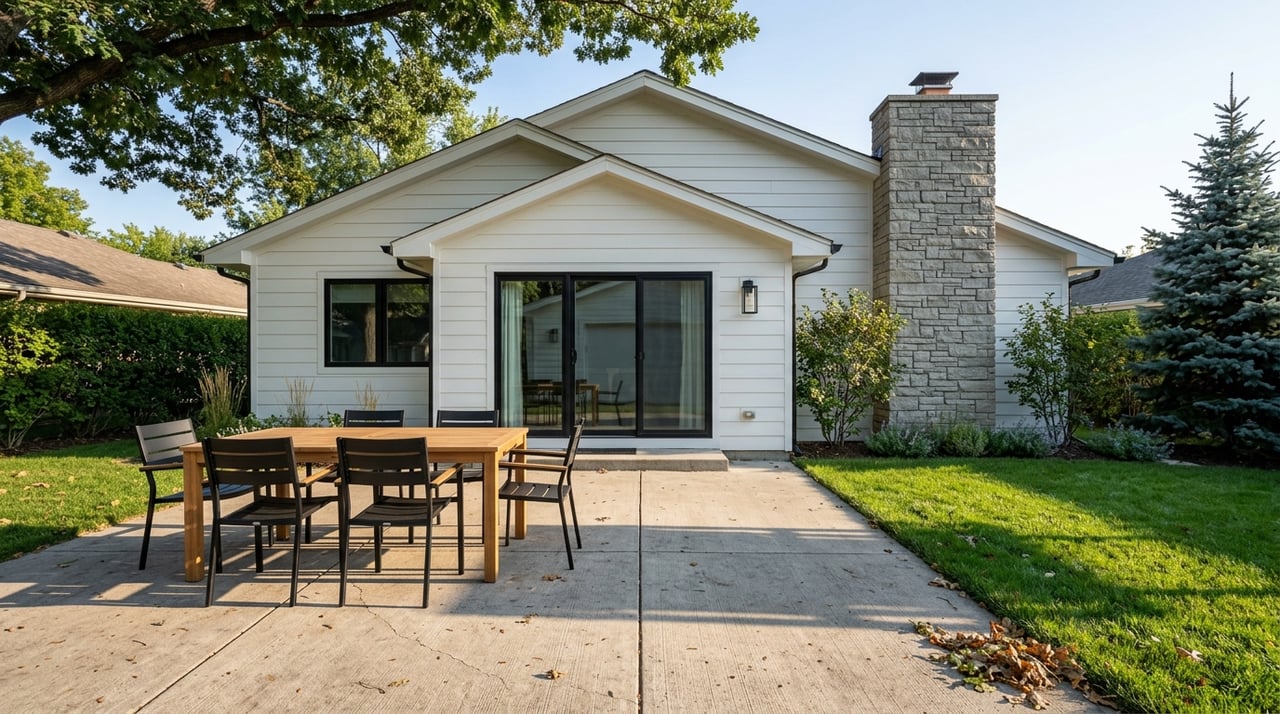
Living in Englewood CO: What to Expect Daily
June 18, 2026
June 18, 2026
If you want a Denver-area city that feels connected, convenient, and a little more lived-in than newer suburbs, Englewood deserves a closer look. You may be searching for a place with character, easier commuting options, and everyday amenities that are actually part of daily life. The good news is that Englewood offers a mix of older homes, local businesses, parks, and transit access that stands out in South Metro Denver. Here’s what it’s like to live in Englewood and what you should know before you make a move.
Englewood is an inner-ring South Metro city with a central location in the Denver metro area. The city describes itself as having a small-town atmosphere, but it also offers the kind of access and activity you would expect from a close-in community.
That blend is a big part of the appeal. You get a city with established neighborhoods, a historic downtown, and a mix of dining, arts, and business activity, all without feeling like you are in a brand-new master-planned development.
One of the first things you may notice about Englewood is that it feels more patchwork than uniform. The city’s neighborhood map identifies 40 neighborhoods, using a mix of historic subdivision names and more modern landmarks.
That means your experience can vary from one area to another. Some parts feel tied to historic homes and older streetscapes, while others are closer to mixed-use districts, transit, or civic spaces.
Englewood’s development framework reflects that variety. The city includes places such as transit-oriented CityCenter, historic Downtown, and early- to mid-20th-century bungalow-style neighborhoods.
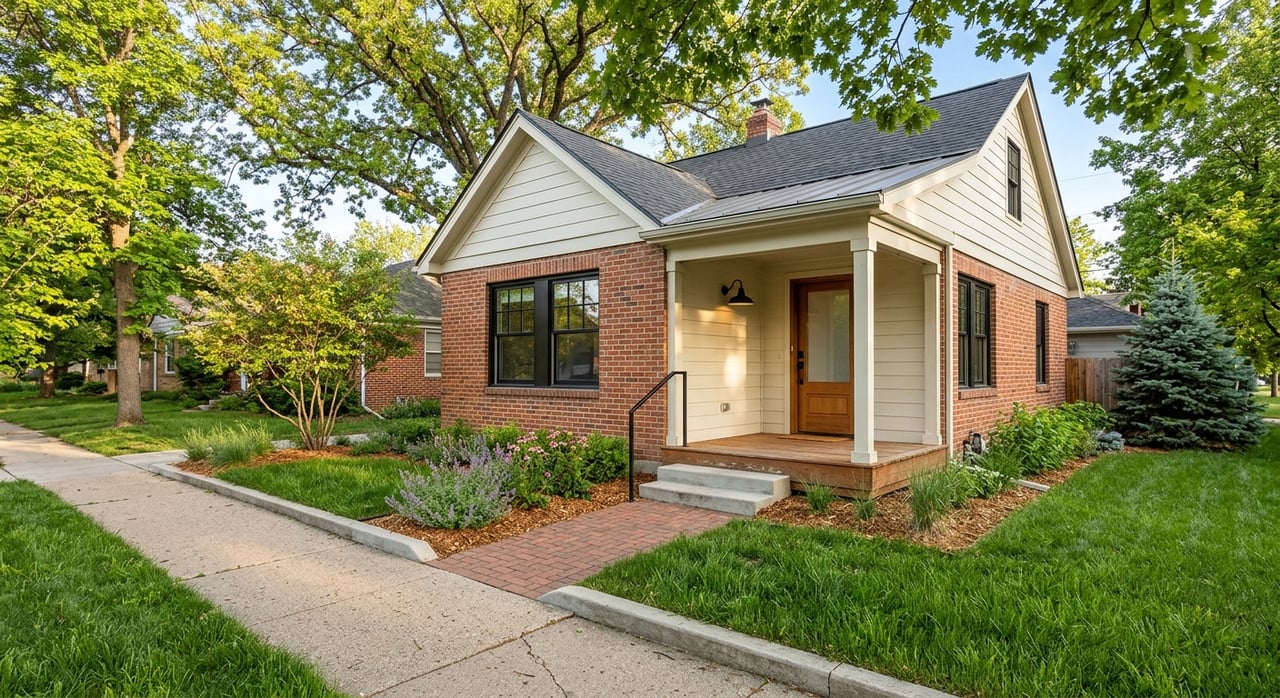
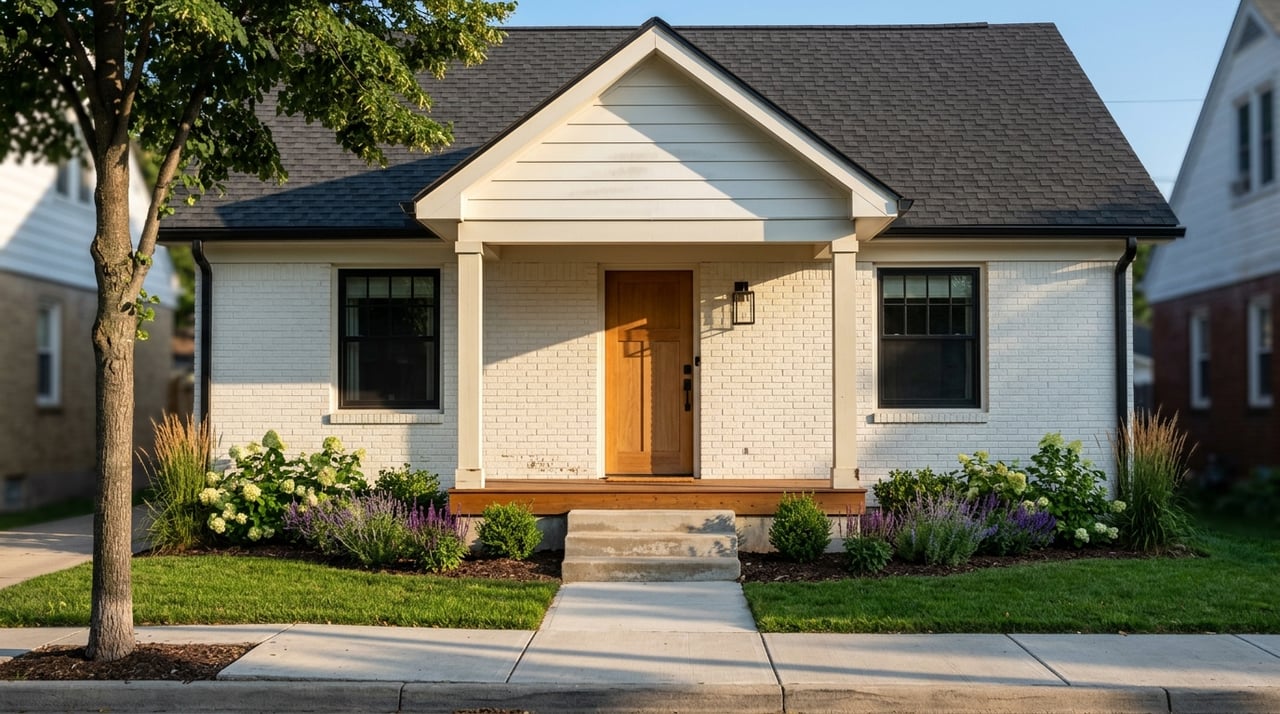
If you prefer older homes with personality, Englewood may feel refreshing. The city is known for a range of housing types, including bungalow-style neighborhoods and distinctive mid-century properties.
Arapahoe Acres is one of the clearest examples of that character. It is a National Register subdivision with 124 unique homes, many with horizontal profiles, sloped roofs, and larger lots.
More broadly, the city is trying to preserve neighborhood character while allowing selective infill and a wider range of housing options. Through its CodeNext overhaul, Englewood has added historic-preservation tools, pedestrian- and bicycle-oriented street standards, and support for smaller homes and accessory dwelling units.
For buyers, that can mean more variety than you may find in newer suburban communities. Instead of block-after-block uniformity, Englewood offers a mix of older homes, evolving streets, and newer housing possibilities.
Downtown plays a major role in what it feels like to live in Englewood. The city highlights its historic downtown and Central Business District as home to foodie, arts, and startup communities.
In practical terms, that can make daily life easier and more enjoyable. You may be able to grab coffee, meet friends, run errands, and go out for dinner within the same general area.
The city’s current downtown business mix includes coffee roasters, bakeries, breweries, galleries, cafés, yoga studios, and restaurants such as Penn Street Kitchen, Wapos Cantina, Work & Class, Mutiny Information Café, and Lady Justice Brewing. That kind of lineup gives Englewood a more active, neighborhood-centered feel than places where commercial areas are more spread out.
Englewood offers more than 244 acres of parks, which adds a lot to everyday quality of life. If you like having nearby outdoor options, this is one of the city’s strengths.
The parks system includes Belleview Park, the Englewood Farm & Train, River Run Trailhead, athletic fields, urban trails, a dog park, community garden space, and recreational water amenities. These are not just occasional destinations. They help shape how residents spend a normal week.
Belleview Park is one of the better-known spots. It offers picnic areas, playgrounds, pavilions, sports courts, and stream-and-trail features, making it useful for both quick outings and longer weekends outdoors.
If water recreation matters to you, Pirates Cove adds another option with a family waterpark in the city. Englewood also has the Englewood Recreation Center, Malley Recreation Center, and Broken Tee Golf Course, so recreation is built into the community rather than treated like an extra.
Englewood has a stronger arts presence than some buyers expect from a close-in suburb. The city highlights CityCenter Amphitheater, Hampden Hall, public art, and a partnership that brings nearly 40 outdoor artworks to the downtown area.
That public-art presence changes the feel of the city in subtle ways. It can make downtown walks, civic spaces, and community events feel more active and visually interesting.
Summer performances and programming add to that atmosphere. If you want a place that feels a little more culturally engaged without moving into the center of Denver, Englewood offers a compelling middle ground.
For many buyers, Englewood’s location is one of its biggest advantages. The city has two light rail stops, RTD bus service, access to US 285 and US 85, and a free Englewood Trolley.
The trolley helps connect the light rail station to downtown Englewood, the medical district, and the civic center. That kind of connection can make a difference if you want options beyond getting in the car for every trip.
RTD’s Englewood Station serves five bus routes and one rail line. The D Line places Englewood on a corridor that continues through downtown Denver and south toward Littleton.
For commuters, this setup can support access to major job centers. The city and Downtown Development Authority point to connections to downtown Denver, the Denver Tech Center, major medical employers, manufacturing employers, and two growing hospitals.
If you are weighing Englewood against other South Metro communities, the differences are pretty clear. Englewood tends to appeal to buyers who want a more established, mixed-use environment with rail access.
Compared with Littleton, Englewood feels more transit-connected and mixed-use, while Littleton puts more emphasis on its historic downtown, trail system, and broader park and open space network. Compared with Highlands Ranch, Englewood is older and less uniform, while Highlands Ranch is a large master-planned community founded in 1981.
Compared with Cherry Hills Village, Englewood is more commercial and more focused on daily convenience. Cherry Hills Village is described as predominantly residential and established.
In short, Englewood is often a better fit if you want neighborhood variety, older homes, dining and arts access, and close-in commuting advantages. It is less about sameness and more about location, character, and convenience.
Englewood can be a strong match if you want a home in a city that feels established and connected. Buyers who value older architecture, local businesses, and practical commuting options often find a lot to like here.
It may also appeal to those who want access to parks and recreation without sacrificing urban convenience. With downtown activity, transit access, and a broad range of neighborhood settings, Englewood offers more variety than many nearby suburban options.
At the same time, it helps to know that Englewood is not a master-planned, one-style-fits-all place. If you like personality, evolving neighborhoods, and a mix of old and new, that can be a major plus.
Living in Englewood means choosing a city with character, convenience, and everyday functionality. You get an inner-ring location, a visible arts scene, a real downtown, established housing stock, and recreation that is easy to enjoy on a regular basis.
For many buyers, that combination is hard to replicate. Englewood offers a small-town atmosphere in a central metro location, with enough variety to make it feel distinct from newer suburban communities nearby.
If you are thinking about buying or selling in Englewood or anywhere in South Metro Denver, David Richins can help you evaluate neighborhoods, compare home options, and move forward with confidence.
Stay up to date on the latest real estate trends.
Trust him for ultra-experienced, high-value real estate service in Englewood and South Metro Denver. With his 30+ years of market leadership, strategic insight, and personal dedication, he makes your buying or selling journey seamless and successful.