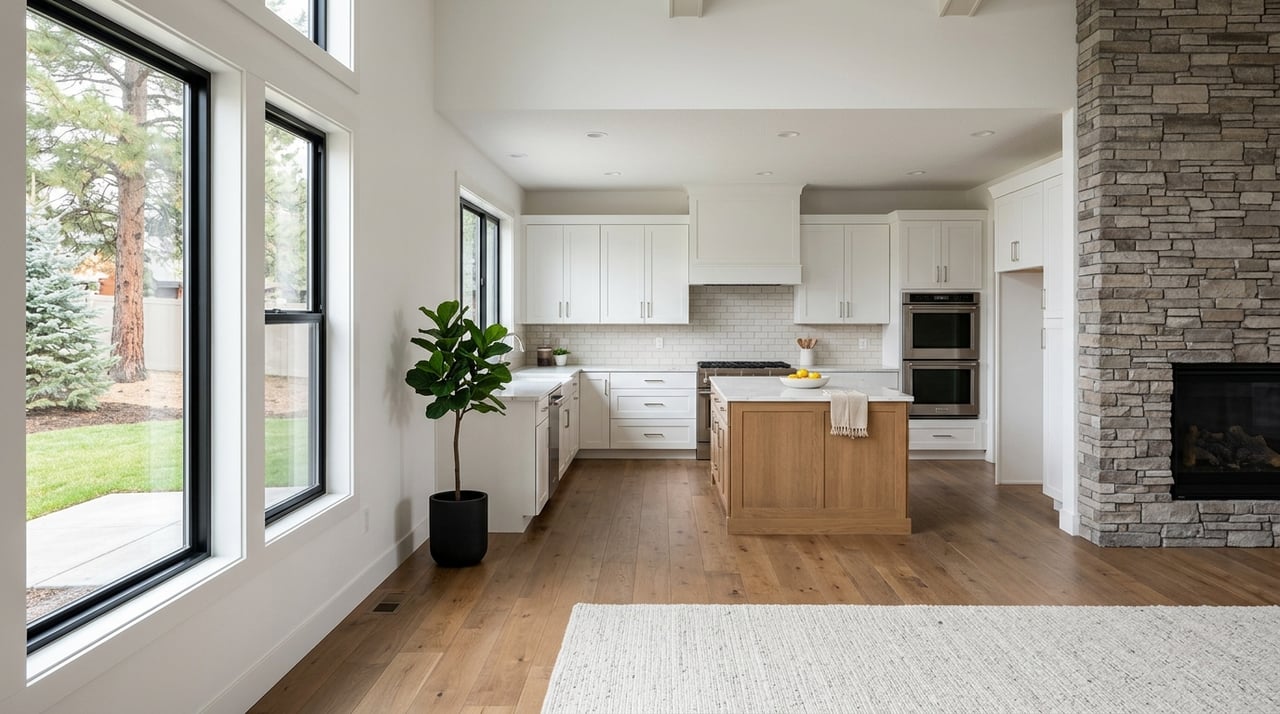
Preparing Your Aurora Home For Today’s Buyers
June 11, 2026
June 11, 2026
Wondering why some Aurora homes get immediate attention while others sit? In today’s market, buyers are still active, but they are paying close attention to condition, presentation, and price. If you want your home to stand out, a smart prep plan can help you attract stronger interest and put your property in the best position from day one. Let’s dive in.
Aurora is not a market where you can simply list a home as-is and expect top results. Spring 2026 data shows citywide pricing generally landing in the mid-$400,000s, with different sources reporting median or average values from about $445,000 to $464,881. Homes are also moving at different speeds, with figures ranging from about 18 days to 34 days depending on the source and methodology.
That matters because buyers have options. Aurora also has meaningful differences by ZIP code, with median listing prices ranging from roughly $325,000 in 80014 to about $742,000 in 80016. The takeaway is simple: your prep and pricing strategy should be based on your immediate area and your home’s condition, not just a citywide average.
At the same time, well-prepared homes can still gain traction quickly. REcolorado reported two weeks of inventory and a median of 15 days in the MLS across the greater Denver metro in April 2026. That creates an environment where strong presentation can help your home rise above the competition.
Today’s buyers often meet your home online before they ever book a showing. According to NAR, 52% of buyers found the home they purchased online, and 81% said listing photos were the most useful feature during their search. That means your home’s launch is not just about being listed. It is about looking polished and appealing the moment buyers see it.
Start by thinking about what your home looks like in photos. Clean surfaces, open sightlines, and bright spaces tend to read better online than crowded rooms or unfinished projects. If buyers are scrolling through dozens of Aurora listings, the homes that feel fresh and move-in ready often earn the click and the showing.
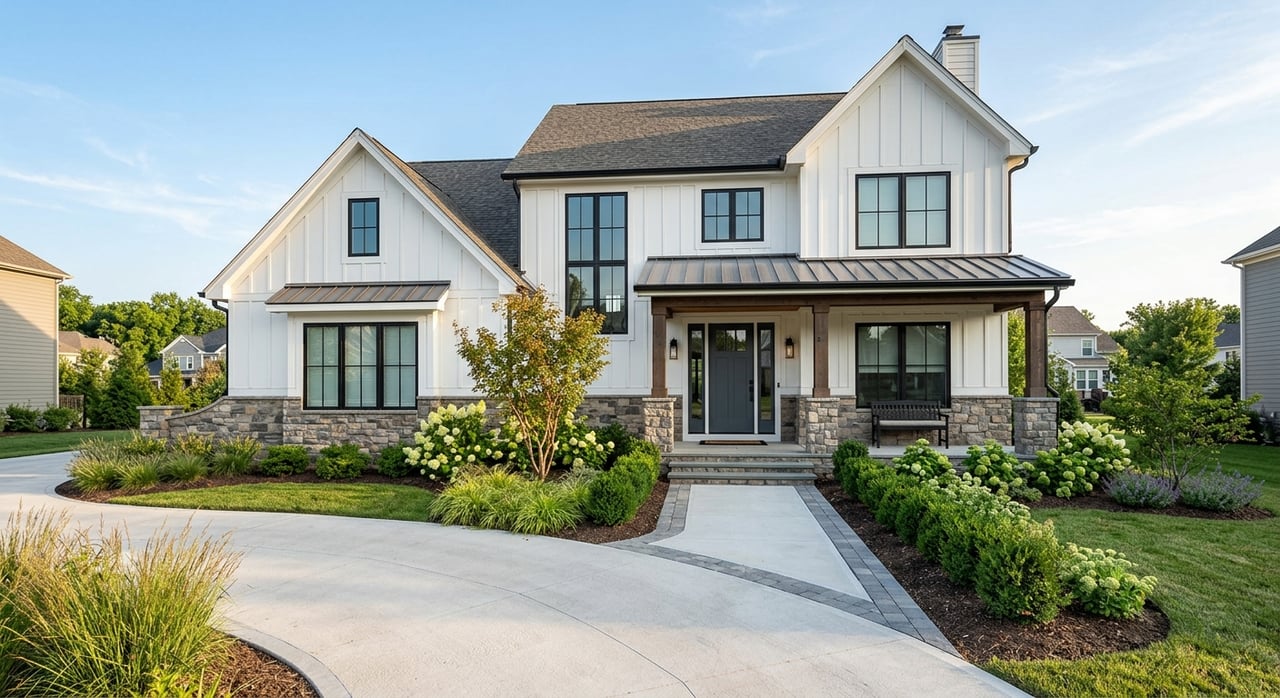
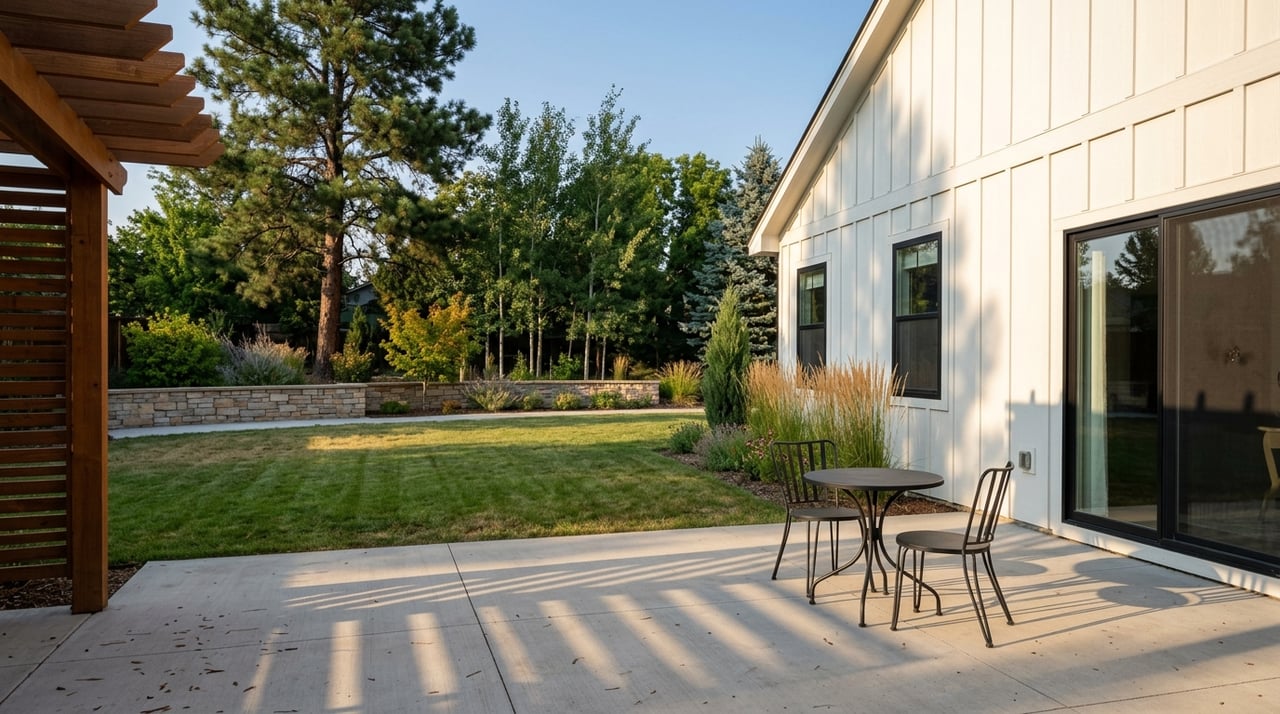
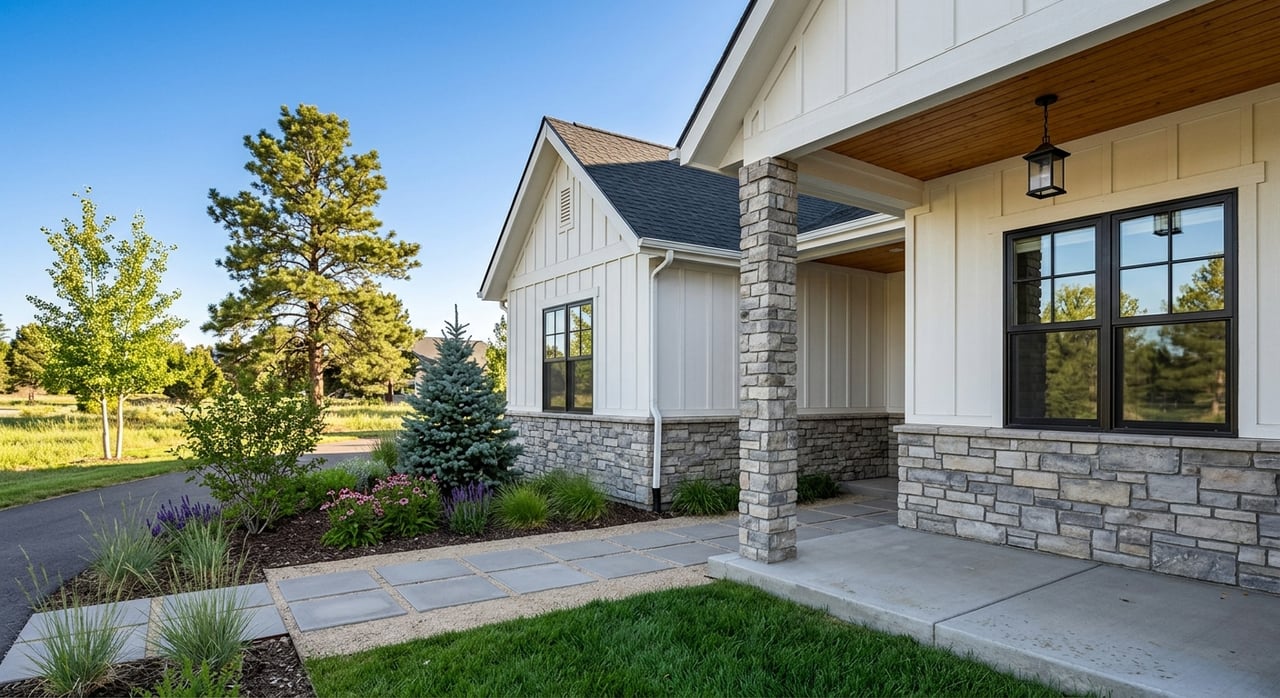
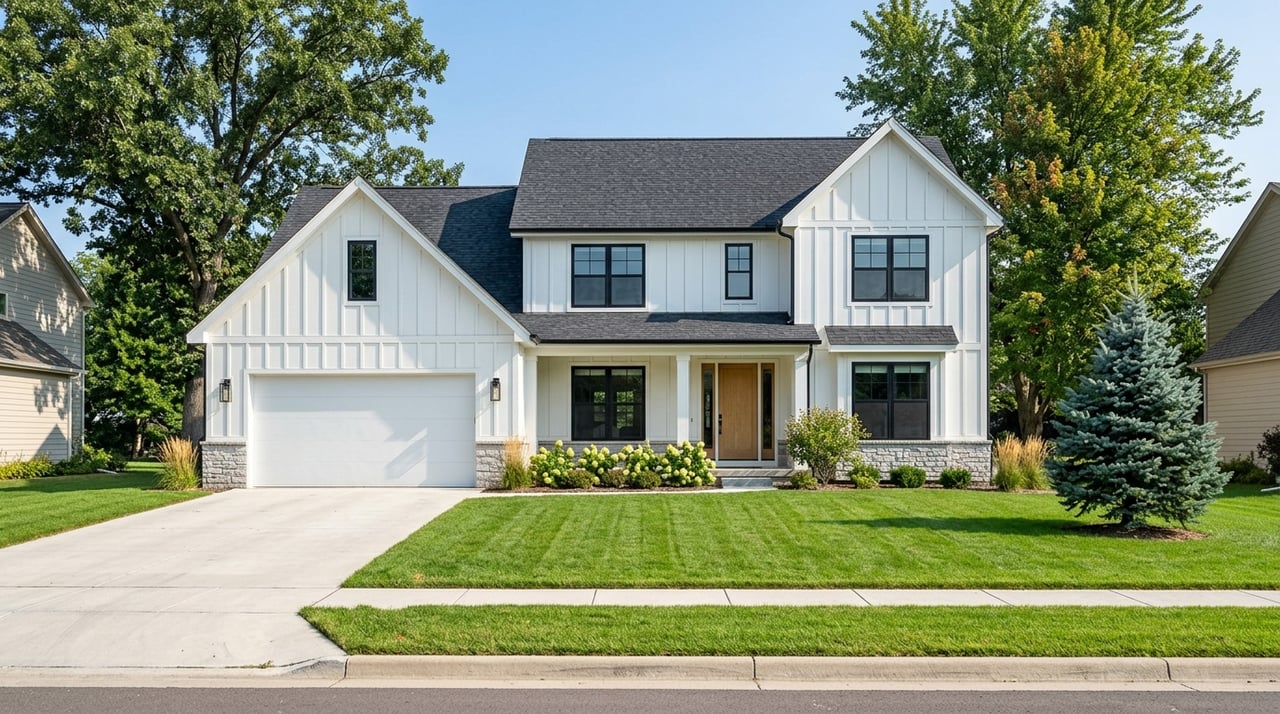
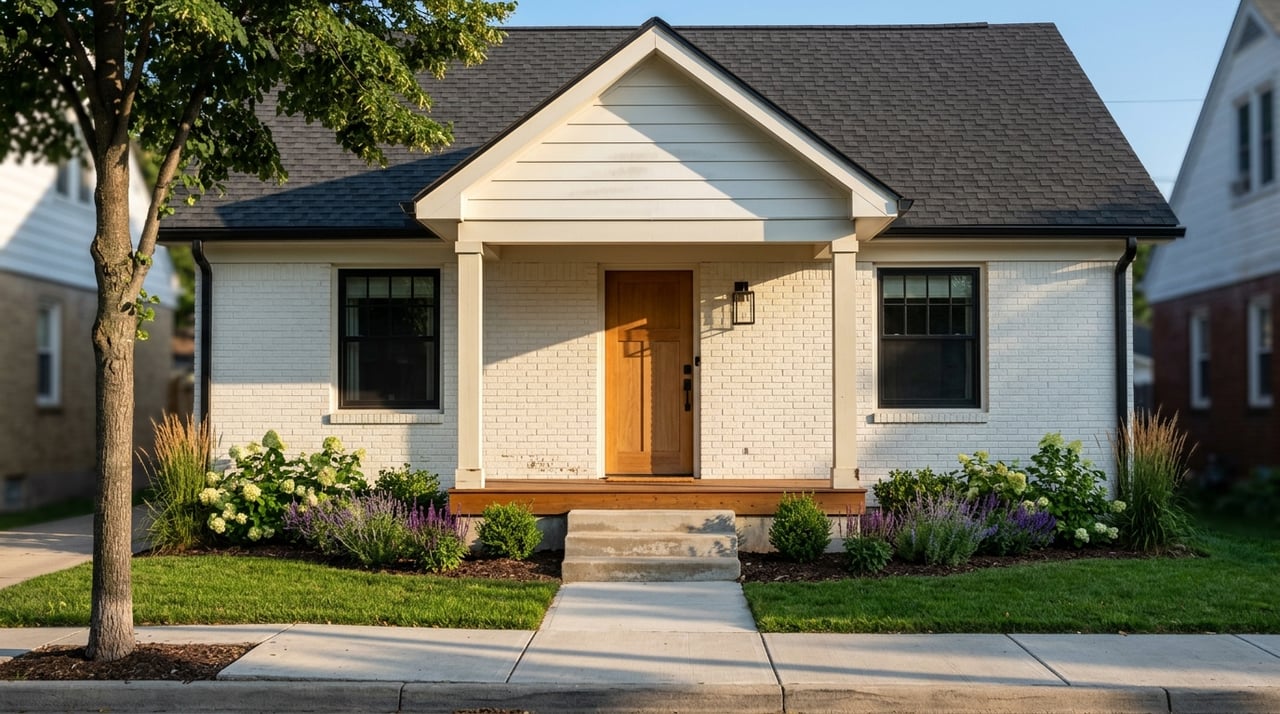
Your exterior sets the tone for everything that follows. NAR reports that 92% of real estate professionals recommend improving curb appeal before listing, and 97% say it is important for attracting a buyer. That makes outside presentation one of the highest-value areas to address.
Before your home goes live, take a close look at the details buyers see from the street. Landscaping, paint, the roof, shutters, the front door, windows, and even the house number can affect the overall impression. You do not always need a major project. Often, a tidy yard, trimmed plants, fresh mulch, clean windows, and a sharper-looking entry create the biggest improvement.
You do not need to stage every inch of your home to make it market-ready. NAR’s 2025 staging survey found that 83% of buyers’ agents said staging made it easier for buyers to picture a home as their future home. The most commonly staged spaces were the living room, primary bedroom, and dining room.
That is useful for Aurora sellers who want to prep efficiently. Instead of spreading time and money across every room, focus first on the spaces where buyers form their strongest emotional reaction. If those key rooms feel open, clean, and welcoming, the whole home tends to show better.
In most cases, the best pre-listing improvements are cosmetic. Both NAR guidance and local Aurora market advice point toward minor updates like paint, fixtures, and landscaping instead of large-scale remodeling. Major renovations often do not return their full cost before a resale.
Think in terms of visibility. Buyers notice outdated paint colors, worn hardware, cluttered kitchens, and tired bathrooms right away. Fresh neutral paint, updated cabinet pulls, newer-looking faucets, and a deep clean can make a home feel more current without over-improving it for the neighborhood.
A few practical steps can go a long way:
Buyers do not just evaluate square footage. They also respond to how easy a home feels to live in. Clutter can make rooms seem smaller, darker, and more complicated than they really are.
As you prepare your Aurora home, aim for clean and functional rather than overly styled. You want buyers to notice the space, light, and layout, not your collections, paperwork, or overflowing shelves. This is especially important in photos, where visual clutter can reduce the impact of even a well-maintained home.
It is easy to assume that any update will help, but some projects come with extra rules. The City of Aurora notes that permits are generally required for major renovations, electrical, plumbing, and HVAC changes, roof replacement, and even some landscaping work such as new seed, sod, or automatic sprinkler systems. Permitted work is also subject to inspection, and hired contractors should be Aurora-licensed.
That means pre-listing work should be planned carefully. If you rush into repairs or improvements without confirming whether permits apply, you may create delays or paperwork issues later. Before starting anything beyond simple cosmetic refreshes, it helps to understand what the city requires.
A pre-listing inspection is not mandatory, but it can be a helpful move. NAR recommends it as a way to identify obvious issues early, and it can give you time to decide what to repair before buyers discover problems during their own inspection period. It also helps you prepare for questions that might come up once your home is under contract.
If you make repairs, keep your records organized. Colorado’s current Seller’s Property Disclosure form asks sellers to attach reports, receipts, and structural or engineering documents where relevant. Having that documentation ready can support a smoother transaction and clearer communication.
Seller preparation is not only about appearance. It is also about being ready for the disclosure side of the sale. Colorado’s current Seller’s Property Disclosure form became mandatory for use on January 1, 2026, and it requires sellers to disclose known adverse material facts.
The form also states that new adverse facts must be disclosed promptly after discovery. In other words, if you learn something important about the property during the selling process, you cannot simply wait and hope it does not come up. Good preparation includes gathering information early so you can approach the listing with confidence.
If your Aurora home was built before 1978, there is another important layer to consider. Federal lead-based paint disclosure rules generally apply to most housing built before that year. Sellers must disclose known lead-based paint information, provide any available records or reports, include the required warning statement, and allow buyers a 10-day period to conduct a paint inspection or risk assessment.
This is not something to handle at the last minute. If your home falls into this category, gather any records you have before listing so the process is easier once offers start coming in.
Radon is a real issue in Colorado and should be part of your planning. The Colorado Department of Public Health and Environment says radon is the leading cause of lung cancer among nonsmokers and is responsible for about 500 lung cancer deaths annually in Colorado. Its guidance also notes that testing is a good idea in a real estate transaction.
A licensed measurement professional may cost around $150, and elevated readings at or above 4 pCi/L should be mitigated. Colorado law also requires a radon warning statement, disclosure of any known radon concentrations or history, and the current state brochure in residential real estate transactions. For many sellers, it makes sense to think about radon before listing rather than waiting for it to become a negotiation point.
No amount of prep can fully overcome a pricing miss. Aurora’s housing market varies widely by ZIP code and neighborhood, so citywide numbers only tell part of the story. A home in one part of Aurora may compete in a very different price band and timeline than a similar-sized home in another area.
That is why pricing should be based on recent comparable sales, active competition, and your home’s actual condition. Buyers are more selective than broad market headlines sometimes suggest, and overpriced listings can lose momentum during the most important period, which is right after they hit the market.
Your first few days on the market matter more than many sellers realize. NAR notes that the first days online carry outsized importance for views, saves, and shares. If your home enters the market clean, well-photographed, correctly priced, and disclosure-ready, you give yourself a better chance to capture that early attention.
This is where a thoughtful listing strategy makes a difference. Professional photography, a strong digital presentation, and a pricing plan tied to your specific Aurora submarket can help your home compete more effectively with the inventory buyers are watching.
If you want a practical starting point, focus on these steps first:
Preparing your home for today’s buyers is not about perfection. It is about making smart, visible improvements, reducing avoidable surprises, and launching with a clear plan. When you do that well, your home has a better chance to stand out in Aurora’s competitive and highly localized market.
If you are thinking about selling and want a practical strategy tailored to your home, your neighborhood, and current Aurora buyer expectations, reach out to David Richins for a free home valuation or a seller consultation.
Stay up to date on the latest real estate trends.
Trust him for ultra-experienced, high-value real estate service in Englewood and South Metro Denver. With his 30+ years of market leadership, strategic insight, and personal dedication, he makes your buying or selling journey seamless and successful.