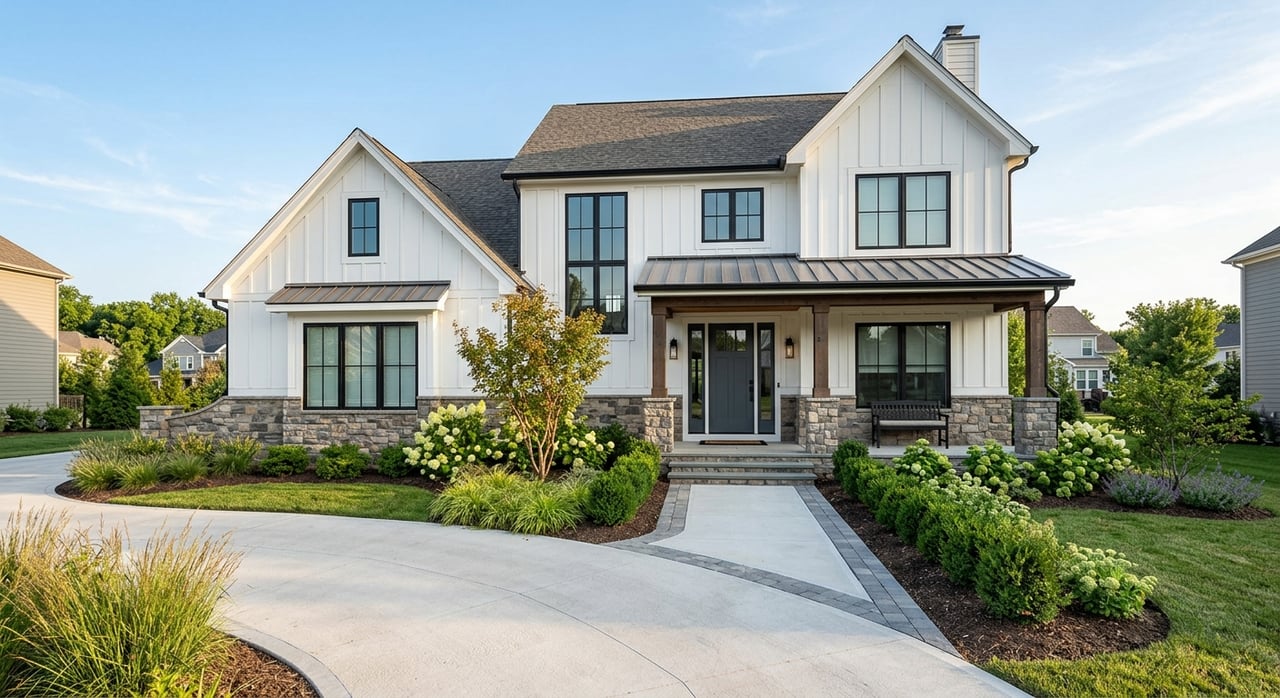
Parker New Construction Vs Resale Homes Compared
July 23, 2026
July 23, 2026
Wondering whether a brand-new home or an existing one makes more sense in Parker? You are not alone. In a market where homes have been selling in about 16 days on average and roughly a quarter of sales have gone above list price, choosing the right path can feel just as important as choosing the right house. This guide will help you compare Parker new construction and resale homes so you can make a smarter, less stressful move. Let’s dive in.
Parker remains a competitive housing market. Over the three months ending May 2026, the median sale price was $659,106, homes sold in about 16 days on average, and homes received about 2 offers on average. About 25.5% of sales went above list price.
That matters because both new construction and resale buyers need a clear strategy. In a competitive market, timing, negotiation, and understanding the tradeoffs can shape your experience just as much as your budget.
In Parker, new construction starts long before move-in day. The Town of Parker requires permits for all new buildings, and the process includes a 3 to 5 day completeness review plus an initial plan review that typically takes about 2 to 4 weeks. If revisions are needed, a re-review usually takes about 2 more weeks.
The town also bases permit fees on valuation, and new single-family dwellings include a $200 plan-check deposit per model. Contractors must also be licensed in Parker. These details help explain why new-home pricing includes more than just the structure you can see.
Parker is also actively managing growth through tools like monthly building reports, a development map, and the Parker 2050 comprehensive plan. For you as a buyer, that means new communities are part of a broader long-term growth strategy, but it also means inventory and lot choices can shift as development moves forward.
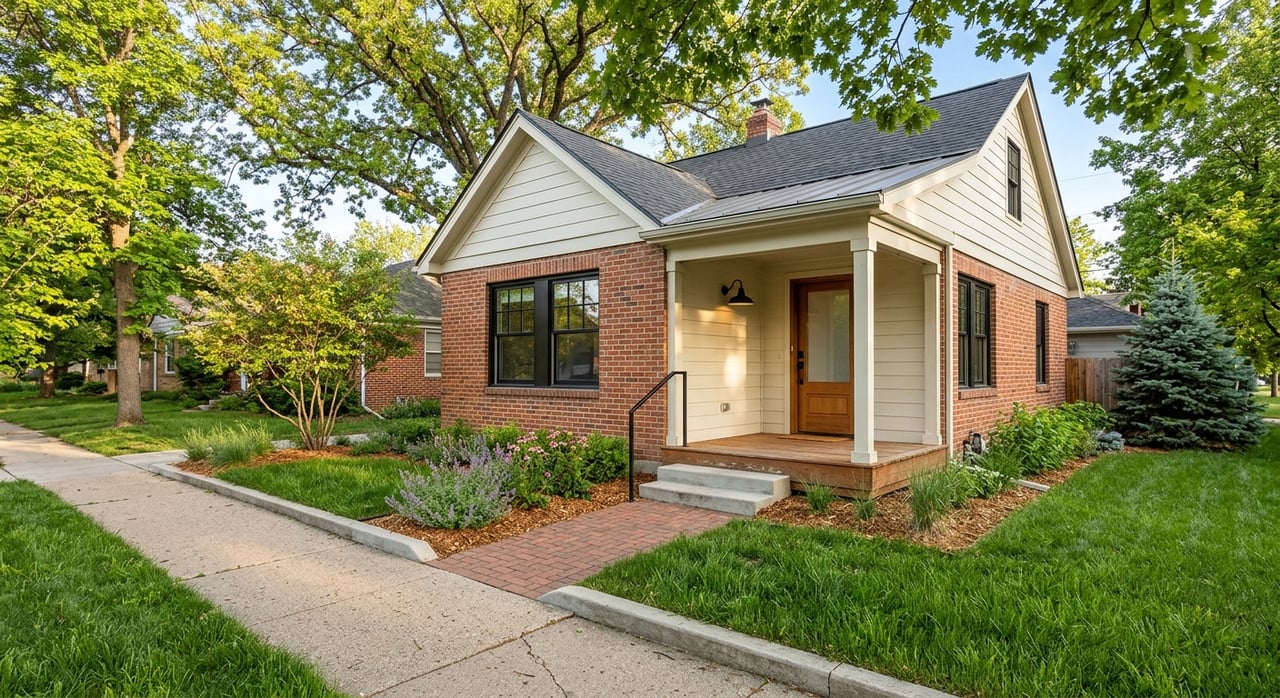
A resale home is usually more straightforward because the home already exists and can be inspected in its current condition. You can see the layout, the lot, the finishes, and how the property feels before you close.
For resale purchases, the CFPB recommends making your offer contingent on financing and a satisfactory inspection. If the inspection is unsatisfactory and your contract includes that contingency, you may be able to cancel without penalty. If issues come up, you may also be able to negotiate repairs or credits, although lender-required repairs can affect the transaction.
In Parker’s competitive environment, resale buyers may have less negotiating room than they would in a softer market. That is not a rule for every sale, but it is a practical takeaway from local competition data showing quick sales and multiple offers.
| Factor | New Construction | Resale Home |
|---|---|---|
| Price structure | Often includes land, permitting, builder costs, and site work in the total price | Driven more by the existing home and current market conditions |
| Timeline | Usually longer due to permit review and construction stages | Usually faster because the home is already built |
| Lot choice | Can offer choices early, but desirable lots may narrow quickly | Lot is fixed and visible from the start |
| Repairs and condition | Typically includes builder warranty coverage | Relies more on inspection findings and repair negotiations |
| Negotiation focus | Deposit terms, build milestones, warranty scope, lender options | Inspection contingency, repair credits, closing terms |
In many cases, new construction will cost more on an all-in basis. That does not always mean the base price alone is dramatically higher, but the final number often reflects embedded lot costs, permit fees, construction costs, and other builder expenses.
National builder cost data helps explain this. Finished lot cost averaged 13.7% of sales price, while total construction cost averaged 64.4%. Site work also includes items like permit fees, impact fees, water and sewer fees, and architecture and engineering.
That is why a new home price can feel higher than a resale comparison at first glance. You are not just paying for square footage. You are also paying for the land, approvals, and the process of creating a home from the ground up.
Resale pricing works differently. It is tied more closely to the home’s current condition, features, location, and the immediate market.
In Parker, where homes move quickly and some sell above list price, resale buyers may still face strong pricing pressure. The upside is that you may have more flexibility to compare what is included because the home, lot, and upgrades are already there for you to evaluate.
If speed matters most, resale usually wins. Because the home is already built, you are generally moving through the contract, inspection, financing, and closing process rather than waiting on permit review and construction stages.
New construction usually takes longer. In Parker, the permit review process alone adds time before or during the broader build schedule, and additional re-reviews can extend that timeline.
That longer runway is not necessarily a bad thing. If you need extra time to plan a move, sell your current home, or spread out major decisions, new construction can offer a more gradual process.
One major advantage of new construction is builder warranty coverage. The FTC notes that most newly built homes come with a builder warranty, with common coverage windows of about 1 year for workmanship and materials, 2 years for systems, and up to 10 years for major structural defects.
That can give you peace of mind, but it is still important to read the warranty carefully. Coverage, exclusions, and claim procedures can vary, so you want to understand exactly what is protected.
With a resale home, your protection usually comes from inspection rights and your ability to negotiate based on the findings. If the inspection uncovers issues, you may ask for repairs, credits, or other changes to the terms.
It is also important to know that a home warranty or service contract is not the same as a builder warranty. The FTC distinguishes service contracts as optional products that usually focus on items like appliances or HVAC systems rather than the permanent structure.
Even if a home is newly built, an independent inspection still matters. The CFPB advises scheduling an independent inspection as soon as possible on a chosen home, since it can reveal issues early enough for you to decide how to proceed.
A new home may be new, but that does not make it flawless. Having your own inspection helps you verify quality and address concerns before closing.
When you buy new construction, the key questions are often different from a resale deal. You should pay close attention to:
The CFPB notes that builders can ask for earnest money on a home that is not yet built. It also recommends asking when that deposit is refundable and remembering that you can shop lenders.
For some loan types, warranty requirements may matter too. The FTC notes that FHA and VA may require third-party warranties for newly built homes financed with those loans.
With resale, your focus is usually on contract protections and post-inspection decisions. Important priorities often include:
In a competitive Parker market, you may need to balance strong terms with smart protections. That is where experienced guidance can make a real difference.
New construction can give you the chance to choose a lot in a developing community, but timing matters. Parker continues to plan for growth, yet lot availability can tighten quickly, especially in the most desirable parts of a new neighborhood.
That means waiting too long can limit your options. If lot placement, views, yard shape, or proximity to planned community features matters to you, it helps to evaluate communities early.
With resale, what you see is what you get. That can make decision-making easier because the lot, street setting, and surrounding homes are already established.
New construction may be a better fit if you want a brand-new home, prefer modern finishes, value builder warranty coverage, and are comfortable with a longer timeline. It can also make sense if choosing a lot or personalizing certain features is high on your list.
Resale may be the better fit if you want a faster closing, prefer to evaluate the exact home before you buy, and want to use inspection findings as part of your negotiation strategy. In a market like Parker, that can be especially valuable when speed and certainty matter.
There is no one-size-fits-all answer. The right choice depends on your budget, timing, risk tolerance, and how much flexibility you want during the process.
If you are weighing new construction versus resale in Parker, a clear local strategy can save you time, money, and stress. Whether you want help comparing communities, evaluating resale opportunities, or planning your next move in Douglas County, David Richins can help you move forward with confidence.
Stay up to date on the latest real estate trends.
Trust him for ultra-experienced, high-value real estate service in Englewood and South Metro Denver. With his 30+ years of market leadership, strategic insight, and personal dedication, he makes your buying or selling journey seamless and successful.