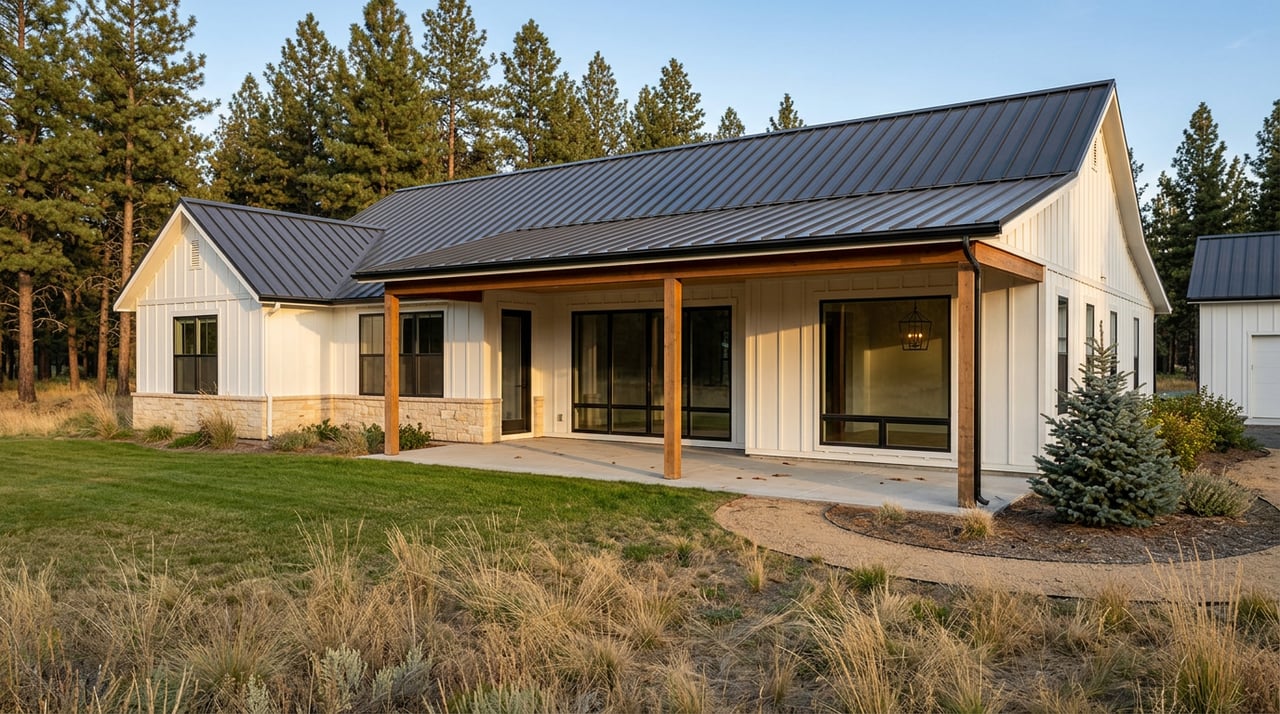
Rural Luxury In Franktown: Custom Homes On Colorado Land
franktown co David Richins March 24, 2026
franktown co David Richins March 24, 2026
You want space, privacy, and a home that feels truly yours, without giving up access to Denver’s South Metro conveniences. Franktown delivers that blend. With rolling pasture, Ponderosa pines, and panoramic Front Range views, it offers room to build or buy a custom estate that fits your lifestyle. In this guide, you’ll learn what luxury acreage looks like here, how zoning and utilities work, what to budget for site improvements, and the due diligence steps that protect your investment. Let’s dive in.
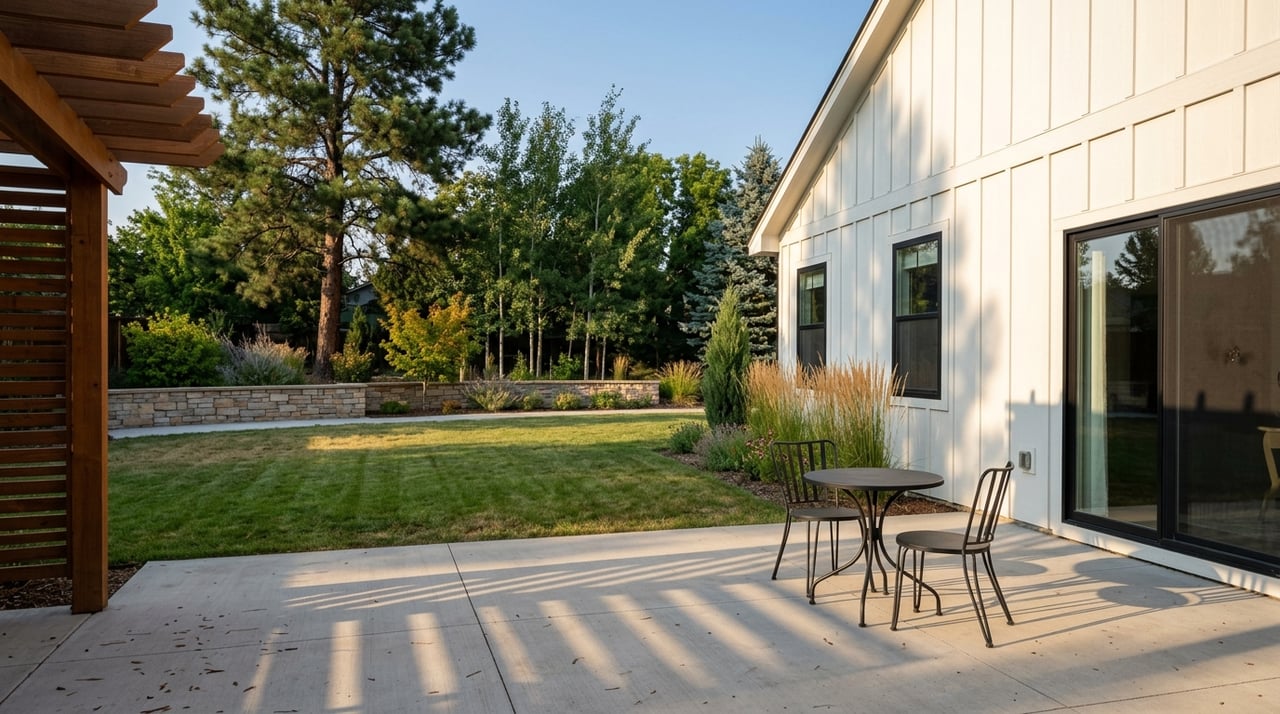
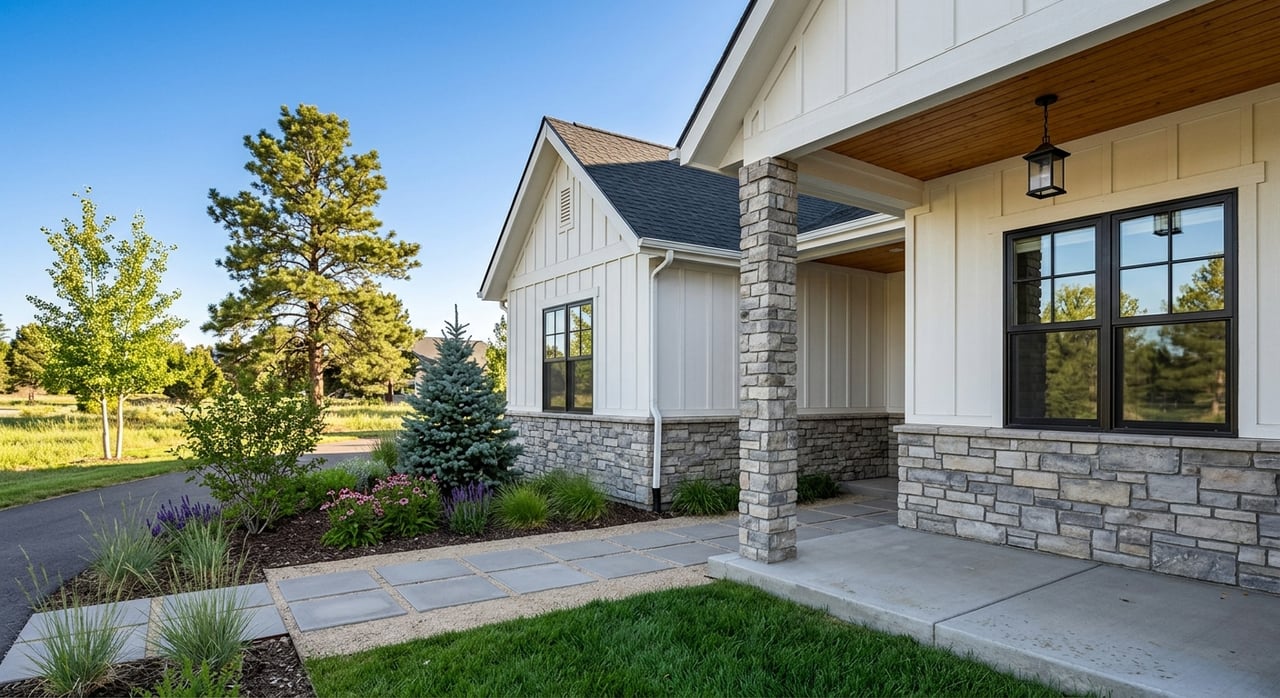
Franktown sits in unincorporated Douglas County, close to Parker and Castle Rock. You get larger lots, a quiet rural setting, and custom homes with thoughtful design. Many properties feature barns, workshops, or guest spaces, plus views and privacy you rarely find in town.
Luxury here is defined by land, not just finishes. Buyers pay premiums for usable acreage, mountain or canyon views, adjudicated water rights, and quality road access. Inventory is limited, and each parcel is unique, which makes careful evaluation essential.
Franktown is a small market with big variety. Public aggregators report very different figures, which reflects low sales volume and the mix of estate properties. Zillow’s index shows an average near 1.02 million dollars, while Realtor.com has reported a much higher median list price around 1.8 million dollars in late 2025. Redfin shows month-to-month swings due to small sample sizes.
The practical takeaway for you: focus on ranges, not a single median. Raw 5 to 10 acre lots or modest custom homes on 2 to 5 acres often land in the mid six figures to low seven figures. Larger estates on 20 to 40 plus acres, especially with water rights or extensive custom builds, can reach several million dollars. Your final price will track with acreage quality, views, water, access, and build level.
Most of Franktown is zoned Rural Residential under Douglas County rules. The Rural Residential district sets what you can build and how dense a subdivision can be. For lots with individual well and septic, the minimum lot area is typically 2 acres. Lots on central water may allow 1 acre minimums, and the gross density cap is generally 1 dwelling per 5 acres. Accessory dwellings, accessory buildings, and limited animal uses are allowed with standards. Review the county’s Rural Residential section for specifics in the Douglas County Zoning Resolution.
Owning land in Colorado does not automatically include surface water rights. Many rural Franktown homes rely on private wells regulated by the Colorado Division of Water Resources. Before you buy, confirm whether the property has a permitted well, review well records for depth and production, and verify any claimed water rights.
Plan to conduct a well-yield pump test and a water-quality lab test during your inspection period. If a seller advertises water rights, request documentation showing adjudication details and the specific acre-feet and approved uses. Learn more about permitting and rules from the Colorado Division of Water Resources well permitting.
Most acreage homes in Franktown use on-site wastewater treatment systems. Douglas County’s Health Department permits and inspects these systems and aligns with Colorado’s Regulation 43. New builds or added bedrooms can trigger a system upgrade or a new engineered design.
During due diligence, verify septic permits, request maintenance records, and review soil and percolation reports. For process and current standards, start with the county’s On-Site Wastewater (septic) information.
Many Franktown estates are accessed by private roads. The county generally does not maintain private roads, which means snow plowing, grading, and long-term repair often fall to owners or a road-users group. Confirm that your parcel has a recorded access easement and check any shared road maintenance agreements before you commit.
Douglas County publishes guidance on private roads and maintenance expectations. Review the county’s private roads overview while you evaluate access and costs.
Parcels near Cherry Creek or Castlewood Canyon may require floodplain review. While the 1933 Castlewood Dam failure is part of local history, your focus today is an accurate, address-specific risk check. Use FEMA’s Map Service Center to look up flood zone status and ask for an elevation certificate if the parcel appears in a mapped risk area. Start your research with the FEMA Flood Map Service Center.
Building on acreage is different from a city infill lot. Plan for site work that brings utilities to the home, manages access, and addresses soils and slopes.
High-end custom builds on the Front Range commonly range from about 300 to 600 plus dollars per square foot, depending on architecture, finishes, and site complexity. Remote sites, rock excavation, long utility runs, and wildfire mitigation can add to the baseline. Review a local builder’s perspective on cost ranges for context through custom home cost guidance.
Douglas County issues building, grading, electrical, and plumbing permits, with plan review times that vary by workload and application completeness. Fees are typically valuation-based. For acreage builds, budget several months for surveys, engineering, well and septic approvals, wildfire mitigation planning, and county reviews before vertical construction begins.
For an overview of valuation-based fees and the permitting framework, consult the county’s Building Division information and fee schedules.
Much of Douglas County lies in the wildland-urban interface. New or renovated homes within the county’s overlay are subject to ignition-resistant standards and defensible-space requirements. Plan for mitigation as a line item in both your build budget and your insurance planning. Start with the county’s wildfire mitigation standards.
Douglas County also supports residents with a cost-share program that helps fund defensible space and fuel reduction. If you plan tree work or community fuel breaks, review eligibility and matching limits in the Wildfire Mitigation Cost-Share Program FAQs.
Insurance availability and pricing can reflect wildfire exposure. Get quotes early, confirm any mitigation requirements an insurer will expect, and align design details with those standards where possible.
Use this list to move confidently from curiosity to closing:
If the idea of a custom estate on Colorado land speaks to you, it pays to work with a broker who understands wells, septic, zoning, and rural build timelines. With decades of Douglas County experience, luxury marketing tools, and land expertise, we help you source the right parcel, pressure-test costs, and negotiate every step with confidence. Reach out to David Richins to talk through your goals and next steps.
Stay up to date on the latest real estate trends.
Trust him for ultra-experienced, high-value real estate service in Englewood and South Metro Denver. With his 30+ years of market leadership, strategic insight, and personal dedication, he makes your buying or selling journey seamless and successful.