
Aurora New Construction vs Resale: Which Is Right for You?
January 1, 2026
January 1, 2026
Thinking about buying in Aurora and torn between a shiny new build and a move‑in ready resale? You are not alone. The decision affects your budget, timeline, commute, and long‑term costs in real ways. In this guide, you will learn how new construction and resale stack up on price, incentives, financing, warranties, metro districts and HOAs, commute trade‑offs, and resale value. Let’s dive in.
Aurora’s new communities tend to cluster along I‑225, E‑470, and I‑70 and near major job hubs like the Anschutz Medical Campus, Buckley Space Force Base, and the Denver Tech Center. Proximity to Denver International Airport also drives growth in eastern Aurora. Established neighborhoods closer to central Denver often trade a shorter commute for older homes. Newer subdivisions may offer modern layouts and amenities but are usually farther from the core.
The right fit for you comes down to total cost, timing, and lifestyle priorities, not just list price.
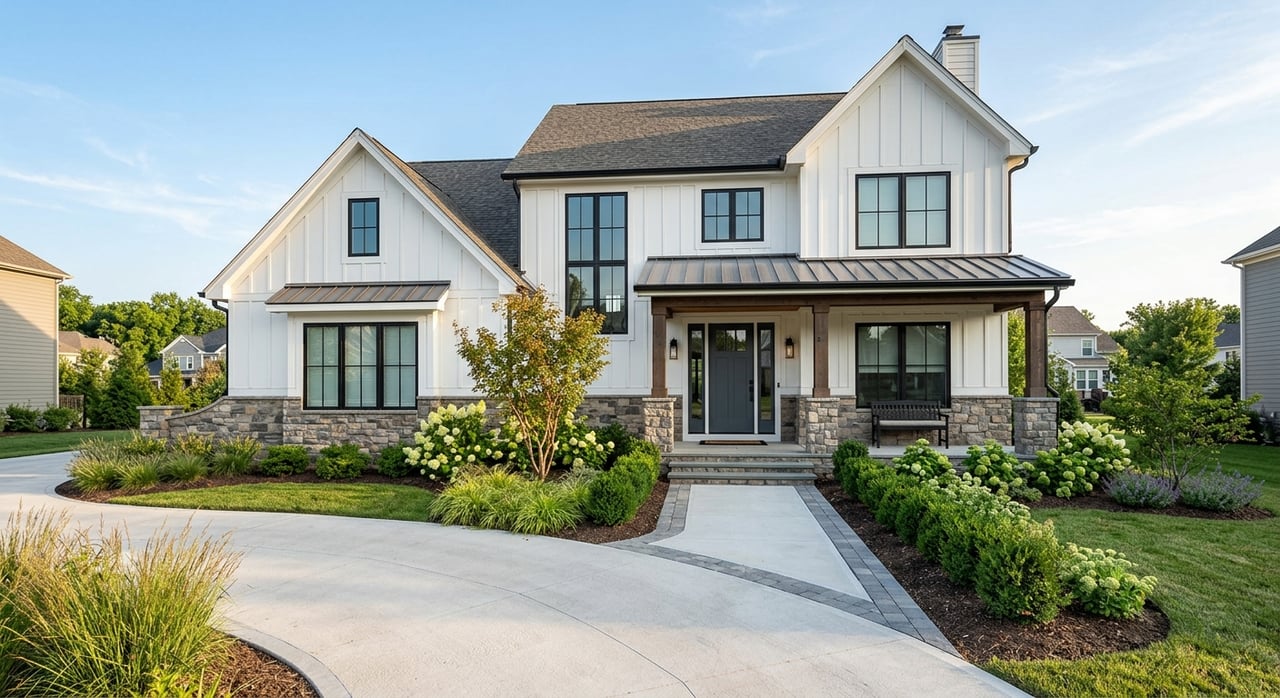
New homes in Aurora typically carry a premium per square foot. You are paying for new systems, builder profit, and community infrastructure. Watch the full price stack: base price, lot or elevation premiums, and design‑center upgrades. Builders may discount spec homes to move inventory, but price cuts are often packaged as credits or rate buydowns rather than a straight reduction.
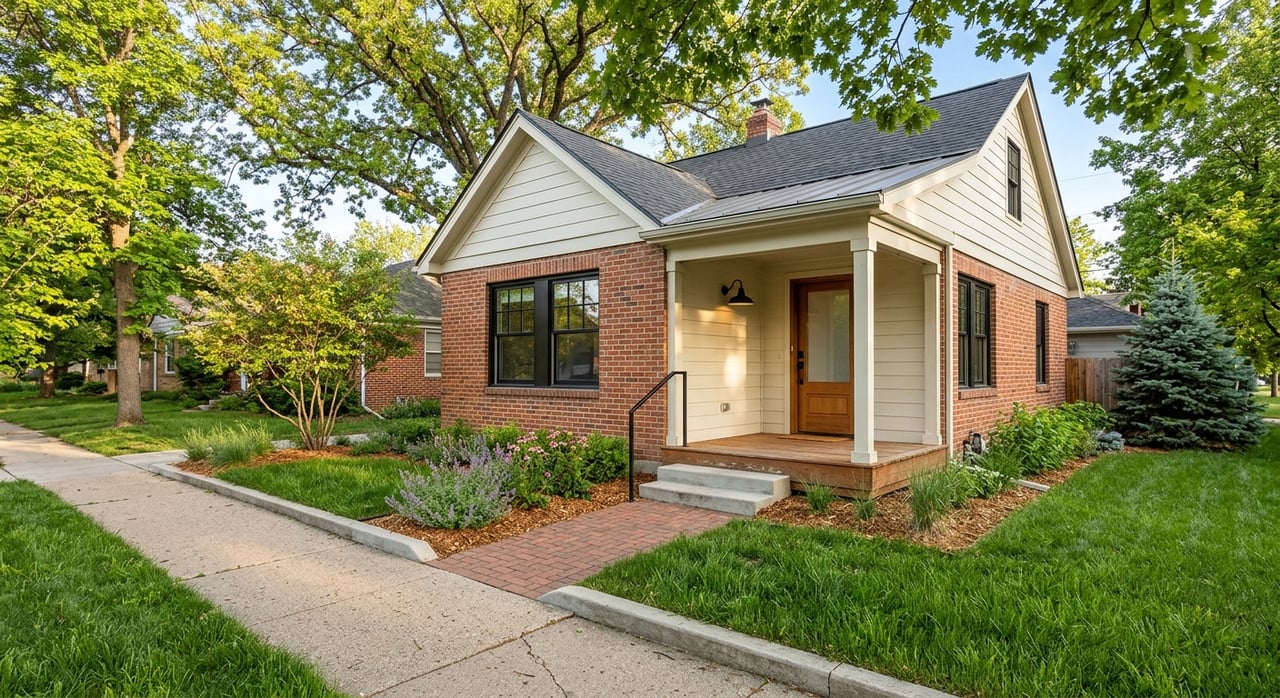
Resales can be more affordable per square foot. You might also inherit recent upgrades a seller already paid for. The trade‑off is potential renovation needs or near‑term system replacements. Sellers may be less flexible in tight markets, so results depend on days on market and motivation.
Most resale deals close in about 30 to 60 days with a conventional loan, depending on appraisal, inspection negotiations, and title work. If you must move by a firm date, resale offers a clearer path.
Resale purchases usually use conventional, FHA, VA, or USDA loans. For new construction, spec homes are financed like resale. Build‑to‑order homes may require construction‑to‑permanent loans with interest‑only draws during the build, then convert to a mortgage at completion. Not all lenders offer construction loans, and VA or FHA financing has specific requirements for new builds. Builders often incentivize using their preferred lenders with buydowns or closing cost credits. Shop options and compare the true annual percentage rate, not just the headline rate.
For resales, you will have a standard inspection window to negotiate repairs or credits. For new construction, you should still hire an independent inspector. Builders provide scheduled walk‑throughs, including pre‑drywall and pre‑closing, but third‑party inspections often catch items that need attention. Create a punch list with clear timelines for completion and understand the warranty claim process before you sign.
New homes commonly come with a 1‑2‑10 structure: about one year for workmanship and materials, two years for major systems like electrical and plumbing, and up to ten years of limited structural coverage. Specific terms vary by builder and warranty provider, so read the documents carefully. Resale homes do not include builder warranties, though you can buy a third‑party home warranty for systems and appliances.
Many new Aurora communities sit inside metropolitan or special districts. These districts finance roads, utilities, parks, and other infrastructure using bonds that are repaid through additional mill levies on your property tax bill. The result can be a higher effective tax rate for years, sometimes decades, until bonds are retired. Some districts also charge annual or user fees. Review the service plan, current mill levy, bond schedule, and recent budgets to understand your long‑term exposure.
New subdivisions often have master and sub‑associations, with the developer in control early on. Compare dues, what they cover, reserve contributions, and the timing for homeowner board elections. Ask for draft CC&Rs, rules, and architectural review procedures, especially if you care about exterior changes, fencing, or landscaping. For resales, review HOA minutes and any history of special assessments or litigation.
Your total cost of ownership includes principal and interest, county and city taxes, school district mills, any metro district mills, HOA dues, and utilities. New builds may have initially low assessed values that adjust after completion. Get a tax estimate that reflects all mills and fees before you write an offer. Small differences in mills can meaningfully change your monthly payment.
Aurora’s commute depends on your corridor. I‑225, I‑70, I‑25 access, and E‑470 shape drive times. RTD’s A Line to DIA and the R Line in parts of Aurora provide transit alternatives that can improve predictability. Test your commute during peak hours, not just midday. Consider future county or state projects that could change traffic patterns, and weigh transit proximity if resale appeal matters to you.
Homes near major employers or transit often hold broad appeal. Community amenities, parks, shopping, and lot orientation can support demand. In newer suburbs, watch for heavy competition if many similar homes list at once. Significant metro district tax burdens can become a buyer objection later. Build quality and builder reputation also influence future value, so document warranties, repairs, and maintenance.
Use this to compare a specific new build and a specific resale in Aurora:
Connect with your agent early, ideally before you visit model homes. Builder sales staff represent the builder, not you. An experienced local agent explains builder contracts, negotiates upgrades and timelines, coordinates independent inspections, and reviews HOA and metro district disclosures. You also benefit from guidance on construction‑to‑perm financing and a plan for warranty follow‑through after closing.
Ready to compare real Aurora homes and numbers side by side? Reach out to schedule a no‑pressure consult with David Richins and get a plan tailored to your move.
Stay up to date on the latest real estate trends.
Trust him for ultra-experienced, high-value real estate service in Englewood and South Metro Denver. With his 30+ years of market leadership, strategic insight, and personal dedication, he makes your buying or selling journey seamless and successful.