Thinking about selling your Castle Rock home but unsure when to list? Timing can influence how fast you sell and how many offers you attract. You want to hit peak buyer demand without guessing. In this guide, you’ll learn the best months to list in Castle Rock, how local seasonality really works, which market metrics to watch, and a simple 3–6 month prep plan to launch with confidence. Let’s dive in.
Best time to sell in Castle Rock
If you want a straightforward answer, the best general window to sell in Castle Rock is late winter through early summer, roughly March to June. This is when buyer activity is typically strongest thanks to better weather, more daylight, and families planning moves around the school year. You also benefit from curb appeal and photography during spring.
There are important caveats. Local conditions can override seasonal patterns. If inventory is unusually low or mortgage rates shift, off-season months can perform well too. Always confirm a current MLS snapshot 2 to 4 weeks before you list.
How Castle Rock seasonality works
Spring: March to June
Spring usually brings the most buyer traffic and fresh listings. Multiple-offer scenarios are more common when the market is strong. Many active buyers include families, relocating professionals, and locals moving up or downsizing. Photos, staging, and landscaping tend to shine in this season.
Summer: July to August
Activity remains steady, though the pace can cool after early summer as vacations and buyer fatigue kick in. This is a good window for move-in ready homes and sharp pricing. Buyers who missed the spring surge are still looking. If you priced right, you can capture motivated shoppers.
Fall: September to November
Demand softens from spring levels but serious buyers stay in the market. With fewer new listings, you face less competition if your pricing and presentation are on point. Fall can be ideal if you need more prep time over summer. Expect a more measured pace and targeted marketing.
Winter: December to February
Winter usually means the lowest inventory and the fewest shoppers. Showings can be slower, and you may need more price flexibility. The upside is that winter buyers are often motivated by relocations or tight timelines. Luxury or unique properties can perform relatively better off-season when there is less direct competition.
Local factors that shape demand
- Commuter patterns. Castle Rock’s exurban location connects to Denver and the broader south metro corridor. Changes in employment trends or commuting costs can influence demand.
- New construction. Master-planned communities and builder incentives can draw buyers away from resale homes at certain times of year. Price and presentation matter.
- School-year timing. Many moves aim for summer closings to align with the academic calendar. If you can time listing and closing to match, you may see stronger interest.
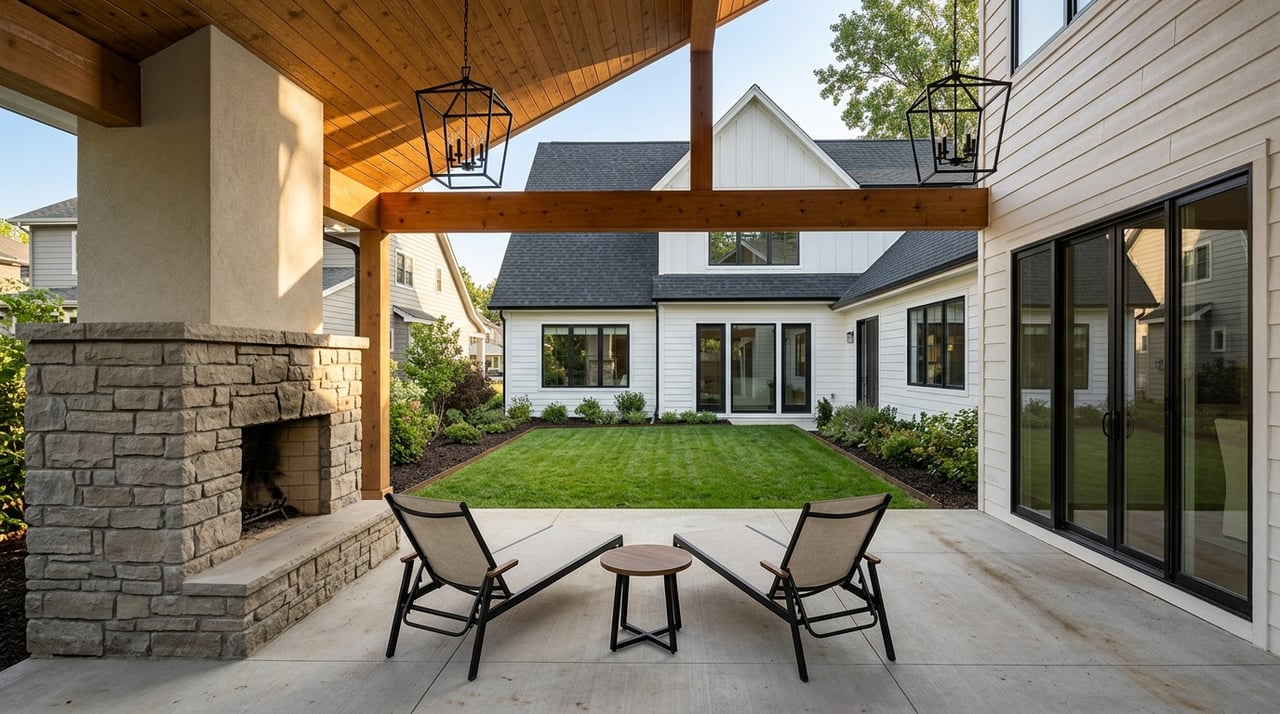
- Weather and curb appeal. Colorado’s winter storms can reduce showings. Spring and early summer highlight yards, outdoor living, and mountain views.
Check these market metrics before you list
Review a current 30, 60, and 90-day snapshot from the local MLS to guide timing and pricing. Focus on these metrics and why they matter:
Inventory and Months of Supply (MOS)
- What it tells you: Supply versus demand. Under 3 months favors sellers. About 4 to 6 months is balanced. Over 6 months favors buyers.
- Action: If MOS is low, listing sooner can capture demand. If MOS is rising, you may need sharper pricing and stronger presentation.
New listings vs. pending sales (4 to 6 weeks)
- What it tells you: Whether competition is increasing faster than buyer commitments.
- Action: If new listings spike but pendings stay flat, consider listing sooner or emphasizing differentiation.
Median sale price and short-term price trend (30 to 90 days)
- What it tells you: The direction of pricing pressure right now.
- Action: Use this to set your range and strategy with your agent.
Days on Market (DOM)
- What it tells you: Speed of absorption. Longer DOM can signal cooling demand.
- Action: If DOM climbs, invest in prep and staging, and price strategically to stand out.
List-to-sale price ratio
- What it tells you: How close final sales are to list prices. Balanced markets tend to land near 98 to 100 percent. Hot markets can exceed 100 percent.
- Action: Use this to gauge how aggressive buyers are and whether to expect strong early offers.
Price cuts and percent of listings reduced
- What it tells you: Buyer resistance at current price points.
- Action: High reduction rates mean buyers are price sensitive. Enter the market with crisp pricing and standout presentation.
Buyer traffic (showings and online views)
- What it tells you: Early signals of demand before offers appear.
- Action: Rising showings can indicate a near-term window to list and capture attention.
Mortgage rate environment
- What it tells you: Buyer purchasing power and qualification rates.
- Action: If rates drop suddenly, listing quickly can help you tap expanded demand. If rates rise, lean into pricing discipline and marketing.
How to use the numbers to pick your week
Apply these rules of thumb as you watch the local snapshot:
- If MOS is 3 months or less and DOM is short, the market favors sellers. Listing soon is reasonable, and spring can amplify results.
- If MOS is 4 to 6 months and DOM is stable, you are in a balanced market. Spring listing is still ideal for maximum traffic.
- If MOS exceeds 6 months with frequent price cuts and longer DOM, expect more competition. Invest in prep, staging, and precise pricing, and use spring’s buyer pool to your advantage.
- If rates change quickly, be ready to act. A drop can open a timely window. A rise calls for sharper pricing and flexible terms.
For launch timing, many agents favor listing early in the week, Monday through Wednesday. That gives buyers and agents time to schedule showings and prep offers by the weekend. Confirm the current best practice with your agent, since local trends can shift.
A 3–6 month prep timeline
If you plan to list in about 3 months
Weeks 12 to 10
- Gather documents: deed, HOA details, utility bills, and repair records.
- Schedule market consultations and request CMAs from two to three local agents.
- Walk the home with a contractor or handyman to flag roof, HVAC, plumbing, electrical, and safety items.
- Start major repairs or updates with longer lead times, such as roofing or exterior paint.
Weeks 10 to 6
- Declutter and deep clean. Consider a storage unit for staging.
- Complete cosmetic updates: neutral paint, hardware refresh, drywall touch-ups.
- Consider a pre-list inspection to uncover issues before buyers do.
- Get quotes for any remaining work and decide what to fix versus price around.
Weeks 6 to 4
- Book a professional staging consult or plan a DIY staging approach.
- Hire a real estate photographer and plan exterior shots when landscaping looks best.
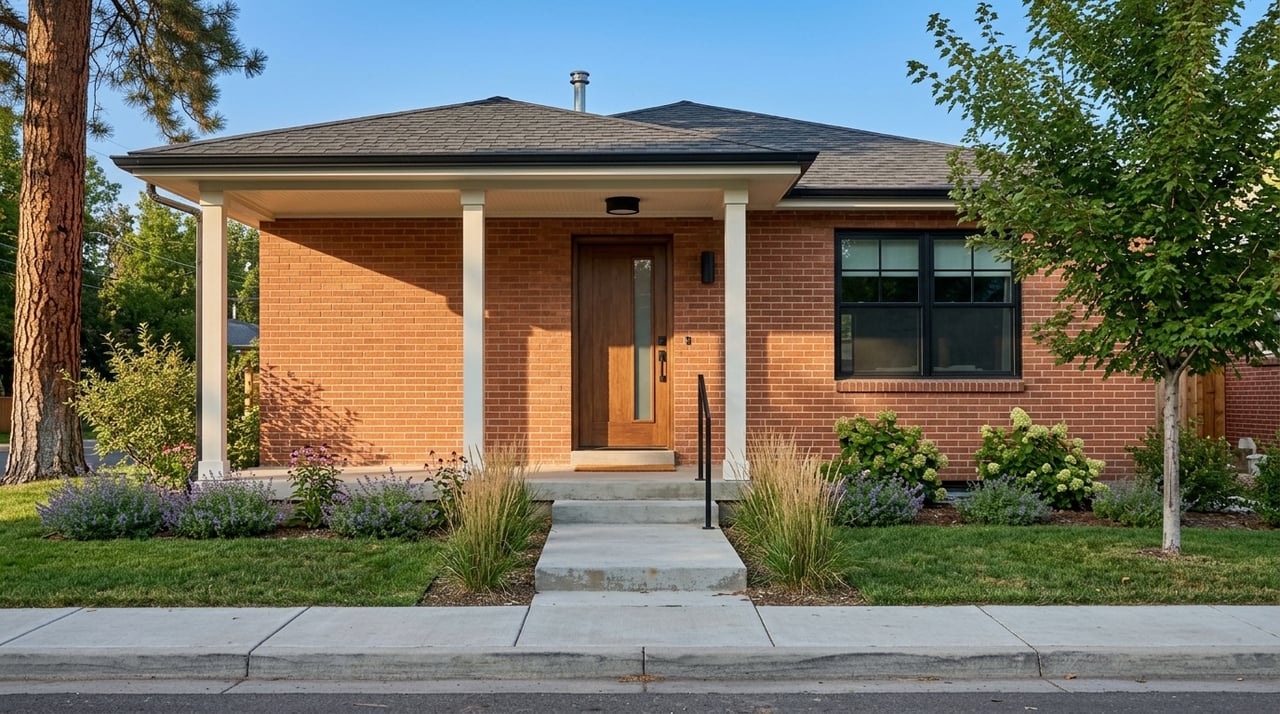
- Improve curb appeal: mulch, hedge trimming, walkway repairs, clean house numbers.
- Schedule a professional cleaning ahead of photos.
Weeks 3 to 1
- Finish touch-ups and staging, then complete professional photos.
- Prepare marketing materials such as floor plans, disclosures, and local highlights like trails and commute times.
- Finalize pricing strategy and set the listing date and time.
Launch week
- Make the home available immediately for showings and keep it neutral, clean, and decluttered.
- Agree on a feedback cadence and an offer review plan with your agent.
If you plan to list in about 6 months
Start earlier on big projects, permit work, and landscaping so you avoid last-minute crunches. Track local metrics monthly and confirm your target month aligns with demand peaks. Recheck comps and MOS 6 to 8 weeks before launch, and shift your list date by 2 to 4 weeks if the market changes.
If you need to move fast
Prioritize cleaning, decluttering, minor repairs, and precise pricing. Consider a pre-list inspection and a complete disclosure package to speed buyer decisions. Accept that major improvements may not be feasible. Focus on timing, presentation, and access for showings.
Pricing and marketing that match the season
Spring strategy
- Price competitively to attract strong early offers and potential bidding. Your agent will set a range based on current comps and DOM.
- Emphasize outdoor living, landscaping, and daylight-rich photos. Include neutral, factual info about area amenities and community events.
Summer strategy
- Highlight cooling features, shade, and proximity to parks and trails.
- Target buyers who missed the spring surge and value move-in ready presentation.
Fall strategy
- Use warm, welcoming staging and spotlight energy efficiency.
- Showcase commute routes and ease of access before the holiday season.
Winter strategy
- Focus on interior lifestyle, great lighting, and neutral decor. Use virtual tours and planned showing blocks to maintain momentum.
If you are competing with new construction, consider limited-time credits toward buyer closing costs rather than cutting price first. That keeps your headline price competitive while addressing buyer affordability.
Castle Rock specifics to keep in mind
- HOA communities and disclosures. Many Castle Rock neighborhoods are HOA-managed. Prepare clear disclosures and budgets so buyers can compare resale value to builder incentives.
- Builder competition. Master-planned communities with active sales can impact your timeline and pricing. Lean on standout media, staging, and strategic pricing.
- Commuter sensitivity. Shifts in regional employment or transit projects can change buyer urgency. Monitor local news and confirm trends in your MLS snapshot.
- Outdoor lifestyle. Trails, parks, and views often matter in purchase decisions. Highlight these especially from spring through early fall.
Your next step
Market timing matters, but it comes second to accurate pricing, strong condition, and professional marketing. Even in off-season months, well-presented homes can sell quickly. The key is verifying current Castle Rock numbers 2 to 4 weeks before you list and launching with a clear plan.
If you are aiming for March through June, start your prep now so you hit the market ready. If life events are driving your timeline, you can still succeed with the right strategy. For a custom MLS snapshot, pricing plan, and a stress-reducing launch schedule, connect with David Richins. Request a free home valuation or schedule a seller consultation today.
FAQs
What is the best month to sell a home in Castle Rock?
- The strongest window is generally March through June, but confirm a current MLS snapshot 2 to 4 weeks before you list to account for inventory and mortgage rate shifts.
Should I wait for spring if Castle Rock inventory is low right now?
- If Months of Supply is low and Days on Market is short, listing sooner can work well because active buyers have fewer options, even outside spring.
How do mortgage rates affect my Castle Rock sale timing?
- A rate drop can expand the buyer pool and favor a quick listing, while a rate increase can require sharper pricing, better staging, and flexible terms.
How long does it take to prepare a Castle Rock home for sale?
- Plan 8 to 12 weeks for repairs, updates, staging, and media, though you can accelerate to 2 to 4 weeks by focusing on cleaning, minor fixes, and pricing.
Is winter a bad time to sell a home in Castle Rock?
- Winter has fewer buyers and showings, but motivated shoppers are still active and unique or luxury homes can perform relatively better with less competition.