What It’s Like To Live In Highlands Ranch
Real Estate David Richins February 5, 2026
Real Estate David Richins February 5, 2026
Picture your morning starting on a neighborhood trail, your afternoon at a rec center, and your evening walking to dinner at Town Center. If that sounds right for you, Highlands Ranch might be a fit. You want convenience, outdoor access, and a suburb that runs on community programs and practical amenities. In this guide, you’ll see what daily life looks like, what kinds of homes you’ll find, how the commute works, and how it compares to nearby suburbs. Let’s dive in.
Highlands Ranch is a master-planned suburban community in unincorporated Douglas County. It is not an incorporated city. County agencies, special districts, and community organizations manage services and amenities.
You’ll notice a planned layout with curving streets, cul-de-sacs, and parks woven through neighborhoods. The community sits south of Denver, with convenient access to major job centers like the Denver Tech Center. That balance of space and access is a big draw for many buyers.
Two local landmarks often come up when you explore the area: the Highlands Ranch Town Center for everyday shopping and dining, and the Highlands Ranch Mansion, a historic estate and event venue.
Highlands Ranch is known for an extensive trail network connecting subdivisions to parks, schools, and neighborhood retail. You can walk, run, bike, or take your dog out without hopping in the car.
For bigger adventures, residents use nearby regional destinations for hiking, biking, or time on the water. Popular choices include Chatfield State Park and Roxborough State Park. Front Range recreation is typically within an easy drive depending on where you start and the destination you pick.
Community life runs through multiple recreation centers. You’ll find indoor pools, fitness facilities, exercise classes, youth sports, and adult leagues. Programming is often family focused, with options like swim lessons, soccer, preschool activities, and seasonal events.
Access and membership can vary by facility, since amenities are managed by community associations or special districts. If a particular pool or program matters to you, confirm the current membership options and resident rates.
Highlands Ranch Town Center anchors a mix of dining, services, and everyday shopping. Throughout the community, neighborhood retail nodes offer groceries, coffee, and convenience options within a short drive.
You also have medical offices and service providers close to home. Many residents find they can handle most errands without leaving the area, which keeps daily life simple and predictable.
People choose Highlands Ranch for a community-oriented lifestyle. You’ll see that in neighborhood parks, youth sports, rec-center calendars, and seasonal events like concerts, holiday celebrations, and farmers markets.
Residents often describe a well-organized community with visible HOA-style stewardship. For a neutral view on safety, review crime statistics from official county sources before you decide on a specific block.
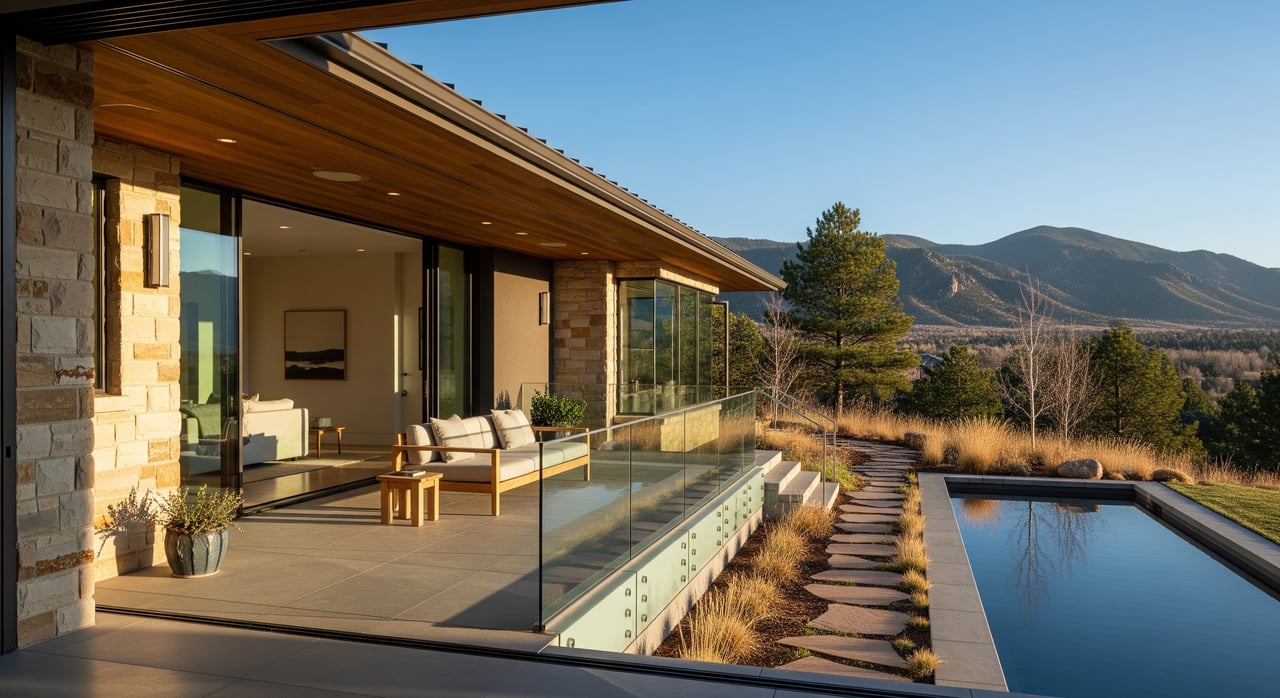
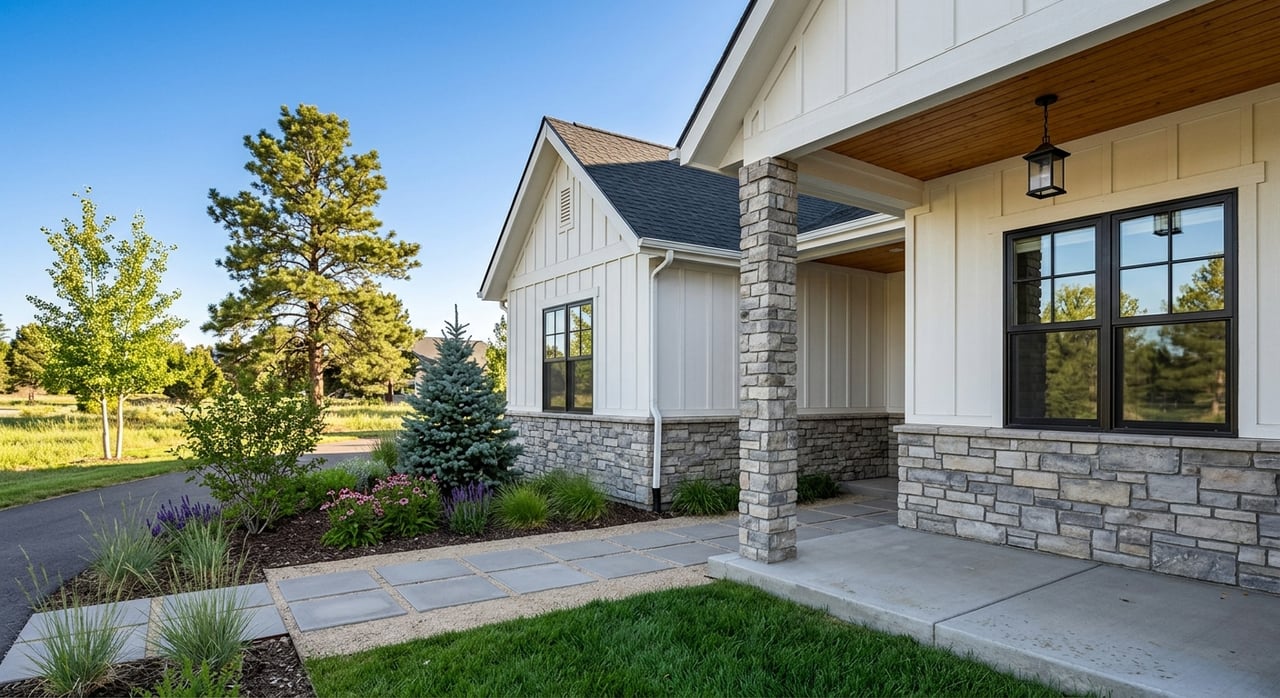
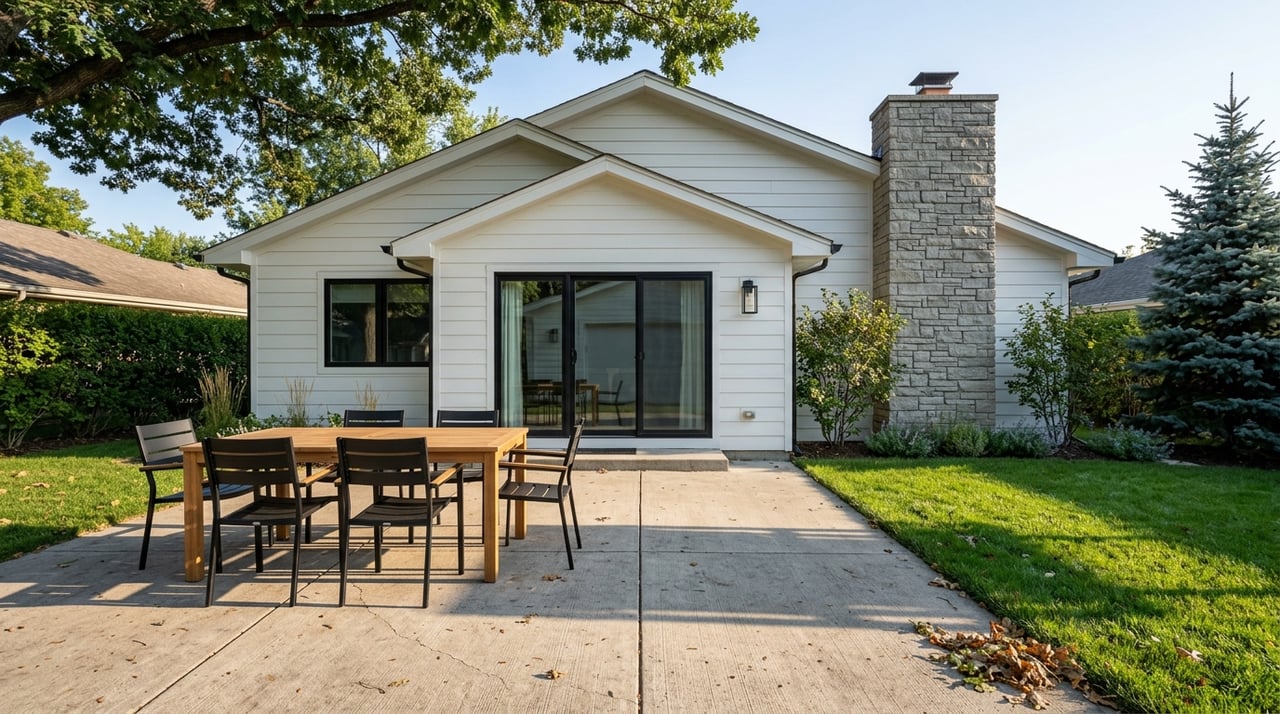
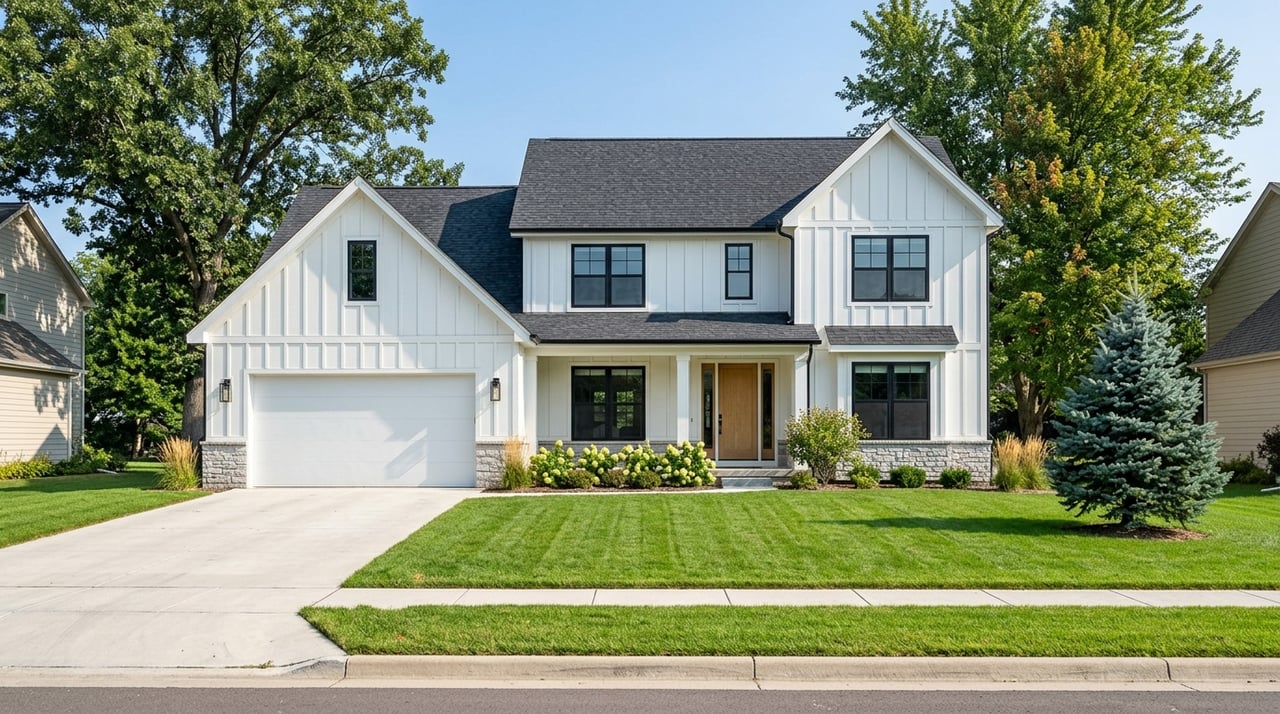
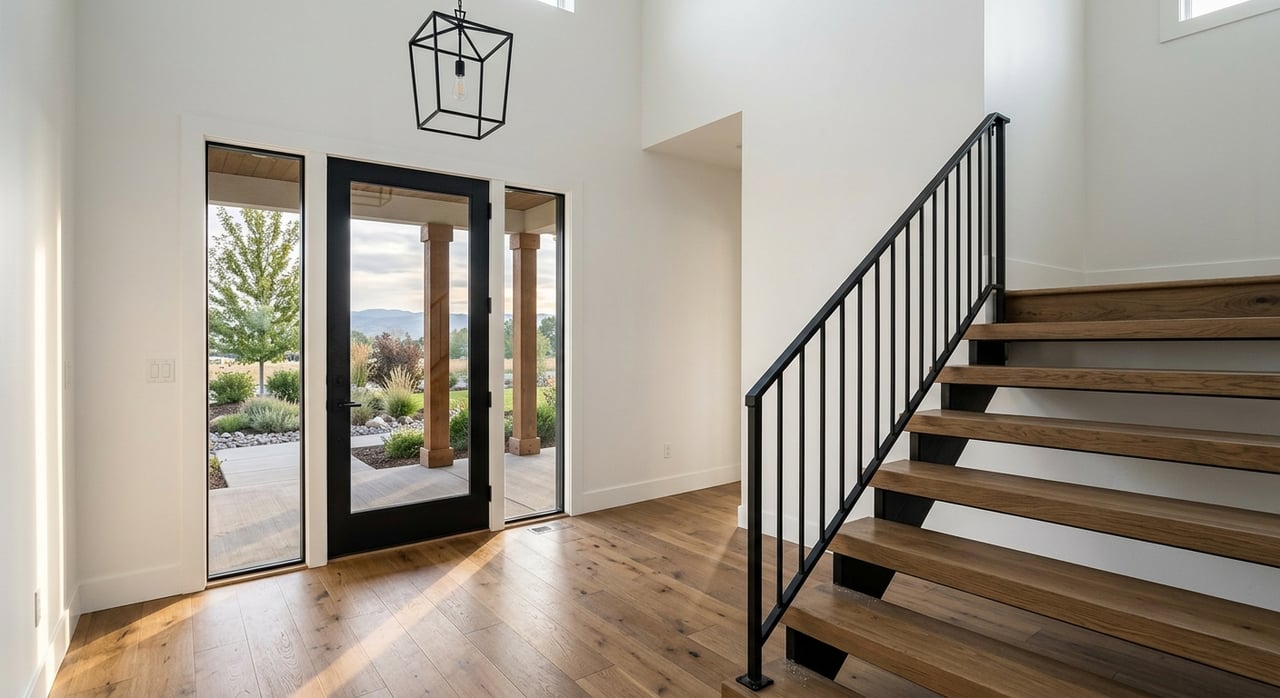
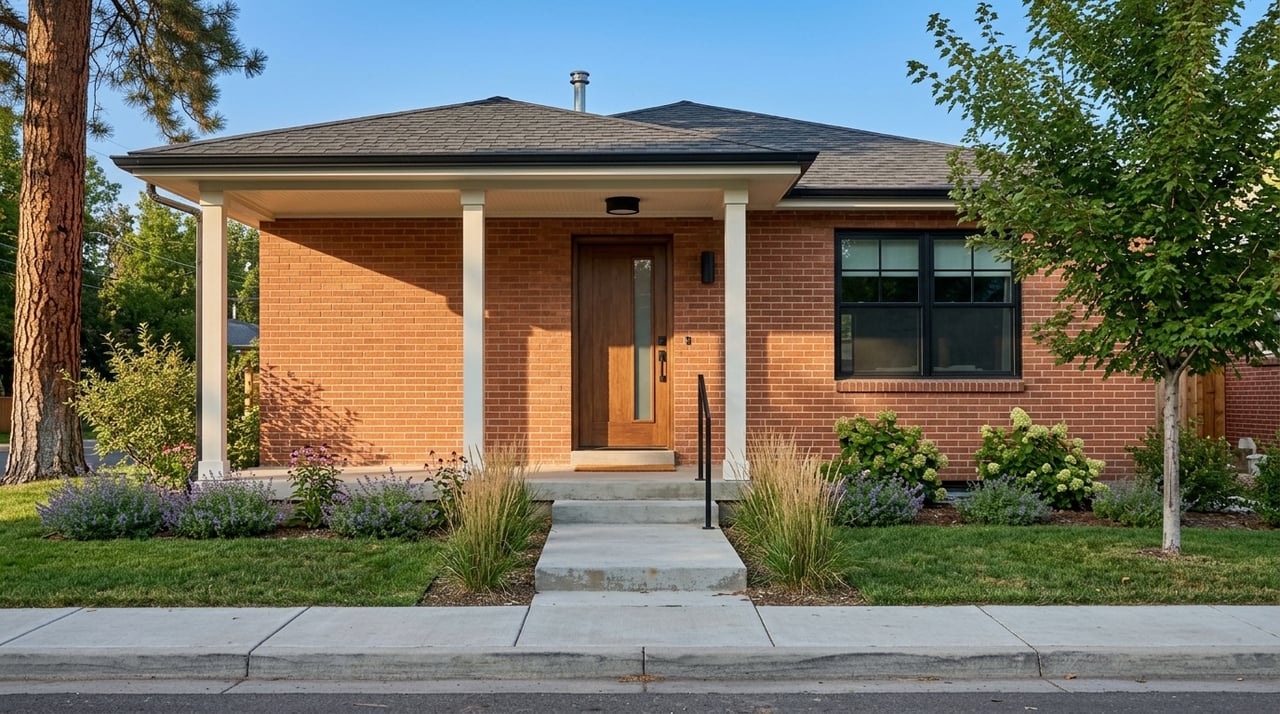
Most housing here is single-family detached, built mainly from the 1980s through the 2000s. You’ll also find townhomes, patio homes, and condos for lower-maintenance living. Architectural styles include suburban contemporary, ranch plans, two-story layouts, and Craftsman-influenced details.
Because many homes date from the late 20th and early 21st century, plan for typical maintenance checks for that era. Roofing, windows, HVAC, and basement systems are common review items.
Each subdivision has its own feel. Some are closer to Town Center with denser amenities. Others are more tucked away with larger lots or private perks. Proximity to trails, parks, and rec centers can influence pricing and buyer demand.
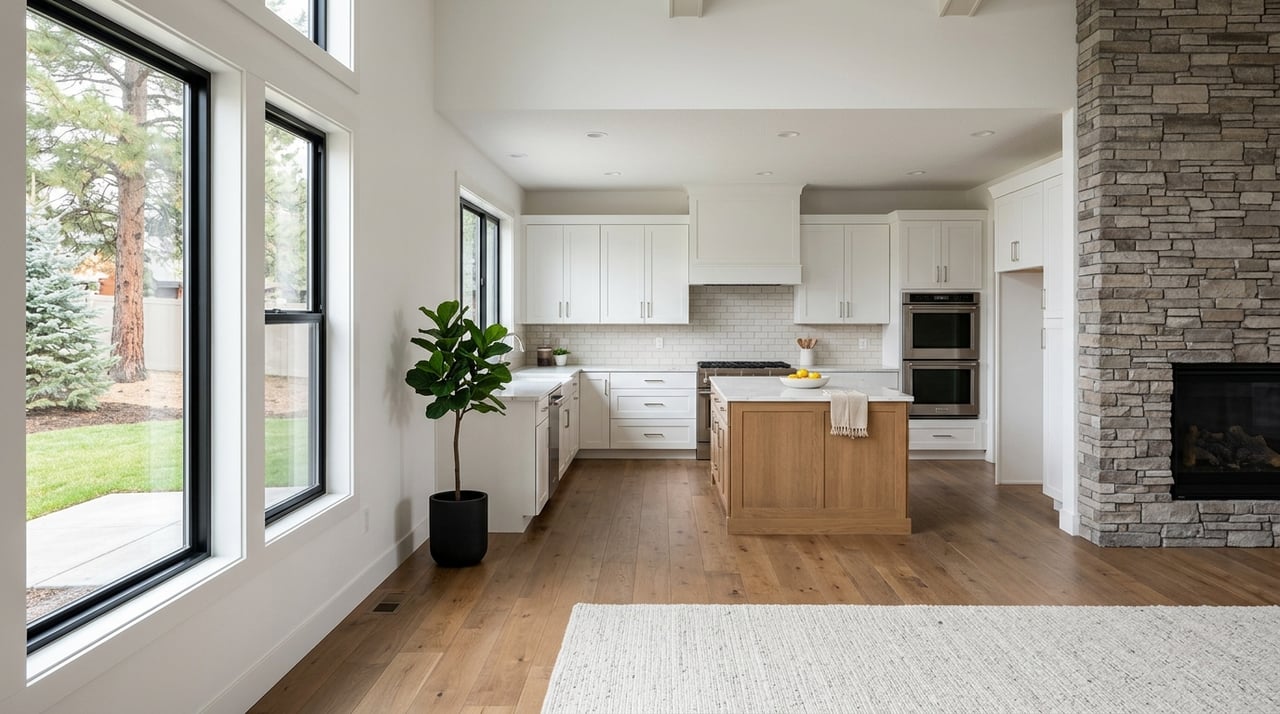
Newer areas may offer modern floor plans and builder features. Established neighborhoods often have mature trees and a consistent community character.
Highlands Ranch relies on community associations and special districts. That often means HOA dues and covenants, plus possible assessments through metro districts for infrastructure or services.
Before you buy, confirm the details for your specific property:
Highlands Ranch is served by Douglas County School District. The area also has charter and private options. Because school boundaries and performance metrics can change, review official boundary maps and the latest data from recognized education sources when comparing options.
If school access is a priority, verify your target home’s assigned schools before you write an offer.
Driving is the primary mode of transportation. You have relatively direct access to major corridors that connect to the Denver Tech Center and central Denver. Actual commute times vary by route and time of day.
Public transit is more limited than in central Denver. Regional bus connections can link to light rail or job centers, but most households rely on personal vehicles for daily trips.
Ownership costs vary by neighborhood and property type. Your budget should account for:
If you are comparing neighborhoods, keep an eye on differences in fees and metro district taxation. Those can affect your monthly and long-term costs.
Homes close to trails, parks, and rec centers often attract broader buyer interest. Proximity to amenities and visible neighborhood upkeep can help resale.
Across the community, common buyer profiles include families, commuters to the DTC or Denver, and buyers seeking a suburban lifestyle with dependable amenities and outdoor access.
Highlands Ranch works well if you want daily convenience, community programs, and easy access to trails. You’ll find a wide range of home types and a clear, planned neighborhood structure.
Trade-offs to consider include HOA rules, recurring fees, and a car-forward lifestyle for most errands and commuting. If you prefer a historic core or urban nightlife, you may look to nearby cities. If you want suburban predictability with strong amenities, put Highlands Ranch high on your list.
When you’re ready to tour neighborhoods or price your home, you want a steady hand and local expertise. David Richins brings more than 30 years in South Metro Denver, $500M plus in closed sales, and full-service representation backed by modern marketing. Services include buyer and seller representation, luxury marketing, land and acreage expertise, new construction guidance, investor services, and relocation support.
You get practical advice, clear communication, and strong negotiation designed to reduce stress and protect your goals. Ready to explore Highlands Ranch with a local pro? Connect with David Richins.
Stay up to date on the latest real estate trends.
Trust him for ultra-experienced, high-value real estate service in Englewood and South Metro Denver. With his 30+ years of market leadership, strategic insight, and personal dedication, he makes your buying or selling journey seamless and successful.